Prioritize Fabric Technology and Breathability
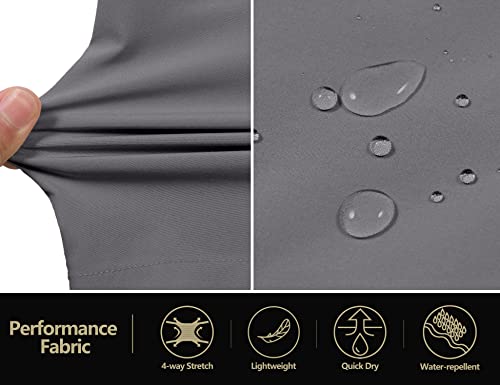
The most critical factor in a hiking jacket is the textile composition. For high-intensity recreation, you must distinguish between 'waterproof' and 'water-resistant.' If you expect heavy downpours, look for a three-layer (3L) construction with a breathable membrane. This ensures that while rain stays out, the moisture generated by your body can escape. However, if your primary goal is wind protection during fast-paced movement, a lightweight softshell is often superior. Softshells offer significantly higher breathability and mechanical stretch, which is essential for the agility required in technical hiking, whereas hardshells provide a more rigid, protective barrier against extreme weather.
The Importance of Hem Length and Fit
The 'short' designation in men's outdoor jackets usually refers to a waist-length cut designed to sit just below the beltline. This is a strategic feature for hikers. A shorter hem prevents excess fabric from interfering with your hip belt on a backpack, which is a common source of discomfort and overheating in standard jackets. When testing fit, ensure the jacket offers enough 'reach'—meaning when you extend your arms upward, the hem doesn't ride up so high that it exposes your midriff to the wind. A tailored, athletic fit is generally preferred for active recreation to prevent wind from entering through the bottom of the garment.
Layering Versatility and Insulation Types
Outdoor recreation rarely happens in a static temperature. Your jacket should be viewed as part of a system. If you are buying a mid-layer, look for synthetic insulation or high-loft fleece. These provide warmth without the bulk, allowing you to slip a hardshell over the top easily. If you are looking for an outer shell, ensure it has a 'drop tail' or enough volume to accommodate a base layer and a lightweight sweater underneath. For true mountain environments, consider the weight of the insulation—down provides the best warmth-to-weight ratio, but synthetic fills are much more reliable if you expect to encounter damp conditions, as they maintain their loft even when wet.
Functional Details: Zippers, Pockets, and Ventilation
Don't overlook the hardware. High-quality, two-way zippers are a game-changer for short jackets. They allow you to unzip the bottom of the jacket slightly to increase airflow or to access your hip belt pockets without removing the entire garment. Additionally, look for 'pit zips'—underarm ventilation zippers. These are vital for regulating temperature during steep climbs when your core temperature spikes. Finally, ensure that pocket placement is compatible with your gear. Pockets located too low on a short jacket will be rendered inaccessible once you put on a hiking pack's waist belt.
Decision Logic: Match the Jacket to the Environment
To make your final choice, categorize your primary activity. For fast-and-light trail running or summer trekking, prioritize a lightweight, highly breathable softshell with minimal water resistance. For multi-day backpacking in unpredictable climates, invest in a robust, three-layer waterproof hardshell with ample ventilation. For cold-weather alpine pursuits, focus on a short, insulated 'puffy' jacket that provides maximum warmth with minimal bulk, ensuring it can be easily compressed into your pack when the sun comes out.