Determine Your Terrain and Intensity
The first step in selecting a hiking shoe is defining where you will actually be walking. Not all trails require the same level of protection. If your excursions consist of well-maintained gravel paths or flat forest loops, a lightweight hiking shoe or a trail runner will offer the agility and breathability you need. However, if you plan to navigate loose scree, rocky scrambles, or muddy slopes, you must prioritize structural integrity. For rugged environments, look for shoes with a stiffer midsole to prevent your foot from wrapping around every sharp rock, which can lead to plantar fasciitis over long distances. The more technical the terrain, the more support you will require from the chassis of the shoe.
Prioritize Traction and Outsole Geometry
In the world of hiking, the outsole is your most critical component. You should look for deep, multidirectional lugs that act like teeth, biting into soft dirt, mud, or loose gravel. Lug depth and spacing are vital. Widely spaced lugs allow mud to shed easily, preventing the shoe from becoming a heavy, slippery weight, while shallower, more frequent lugs provide better surface contact on hard rock. Pay attention to the rubber compound as well. A softer rubber compound provides superior grip on wet surfaces but may wear down faster on abrasive granite, whereas a harder compound offers longevity but can feel 'skatty' on slick slabs. Finding the balance between these two is key to consistent stability.
Waterproofing vs. Breathability
This is one of the most debated topics in outdoor gear. Waterproof membranes are essential if you frequently hike in damp climates, cross shallow streams, or expect snow. These liners keep moisture out while allowing some sweat to escape. However, there is a trade-off: waterproof shoes are inherently less breathable and take significantly longer to dry if they do get soaked from the inside via sweat. If you primarily hike in hot, arid environments, skip the waterproof membrane in favor of a highly breathable mesh. This will keep your feet cooler and allow for faster evaporation, reducing the risk of blisters caused by moisture buildup.
Fit, Toe Box, and Heel Lock
A hiking shoe can have the best technology in the world, but if the fit is wrong, it is useless. When trying on shoes, ensure there is enough room in the toe box to wiggle your toes. Your feet will naturally swell during long treks, and a cramped toe box leads to bruised toenails on descents. Simultaneously, you must achieve a secure 'heel lock.' If your heel lifts or slides inside the shoe while walking uphill, you are almost guaranteed to develop friction blisters. Look for a secure midfoot lockdown that holds your foot in place without feeling restrictive or causing numbness.
Durability and Material Construction
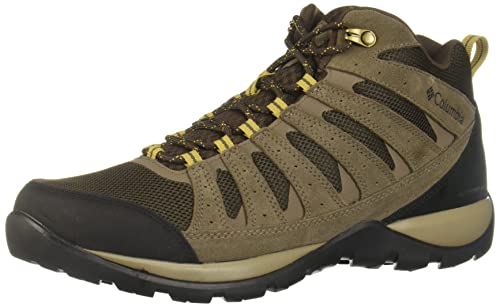
Hiking shoes endure significant abrasion from rocks, roots, and debris. Examine the upper material: synthetic fabrics like ripstop nylon offer lightweight durability and quick drying, while leather provides unmatched longevity and natural water resistance but adds significant weight. Look for reinforced toe caps (often made of rubber or high-density TPU) to protect your toes from impacts and to prevent the upper from fraying against sharp stones. Investing in a shoe with a robust rand—the protective strip surrounding the base of the upper—will significantly extend the lifespan of your footwear.