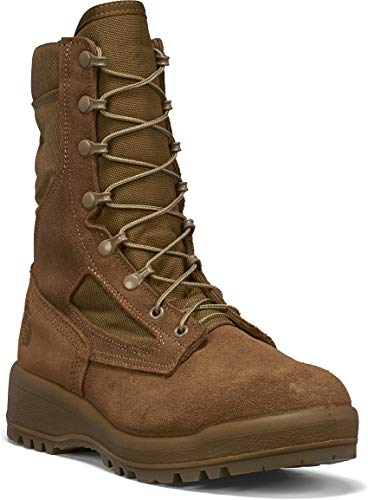
Understanding Construction and Durability
The primary reason professionals turn to Belleville is the superior construction quality. When evaluating these boots, look closely at the welt and the upper material. High-quality military boots often feature a combination of full-grain leather and heavy-duty nylon. The leather provides abrasion resistance and structural integrity, while the nylon panels reduce the overall weight and increase breathability. For those in high-intensity roles, ensure the boot features reinforced toe caps and heel counters to prevent structural collapse under heavy loads. A boot that maintains its shape after months of heavy use is the hallmark of a professional-grade product.
Climate Control: Waterproof vs. Breathable
One of the most significant decisions you will make is whether to opt for a waterproof membrane or a highly breathable, non-waterproof construction. If your primary environment involves mud, snow, or standing water, a boot with an integrated waterproof liner is essential. These liners allow sweat vapor to escape while preventing liquid water from entering. However, be aware that waterproof boots tend to run warmer. If you are operating in arid, high-temperature desert environments, you may prefer a lightweight, non-waterproof model that prioritizes maximum airflow to prevent heat exhaustion and blisters caused by excessive perspiration.
Outsole Traction and Terrain Adaptability
The outsole is your direct connection to the ground, and its design dictates your stability. Belleville offers various lug patterns designed for specific terrains. For urban environments or paved surfaces, a shallower, more frequent lug pattern provides better surface contact and stability. For rugged, uneven, or muddy terrain, you need deep, aggressive lugs that can bite into the earth and shed debris effectively. Additionally, consider the density of the rubber compound. A softer compound offers better grip on slick surfaces but may wear down faster, whereas a harder compound offers longevity at the cost of some slip resistance.
Support and Weight Management
The weight of the boot can significantly impact your mobility and energy expenditure over a long shift. While heavier, traditional leather boots offer maximum ankle support and protection, modern tactical boots utilize advanced composites to reduce weight without sacrificing stability. Look for boots that offer high-cut profiles if you are carrying heavy rucksacks, as the extra ankle support is vital for preventing rolls and sprains. If your role requires high agility and rapid movement, a mid-cut boot may provide the perfect balance of protection and freedom of motion.
The Importance of Fit and Insole Technology
No matter how well-constructed a boot is, it will fail if the fit is incorrect. Military boots are designed to accommodate thick tactical socks, so always factor this into your sizing. A proper fit means your toes should have room to wiggle, but your heel should not lift significantly when walking. Furthermore, look for boots that feature high-quality, moisture-wicking insoles. These help regulate the microclimate inside the boot and provide the necessary cushioning to absorb the shock of marching on hard surfaces, which is crucial for preventing long-term joint fatigue.