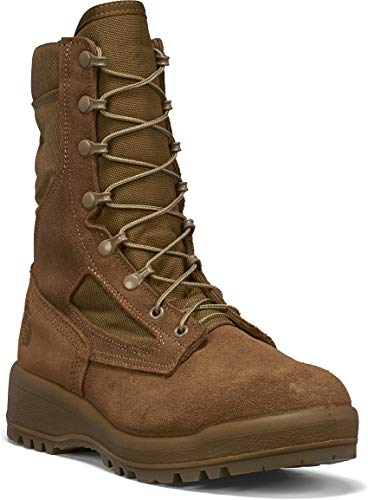
Understanding Construction and Durability
The primary hallmark of a high-quality tactical boot is its construction method. When evaluating these boots, look closely at the interface between the upper material and the outsole. Many premium tactical boots utilize a direct-attach construction, which provides a more flexible feel and prevents the sole from delaminating under extreme temperature fluctuations. The upper material is equally critical. You will typically choose between full-grain leather for maximum abrasion resistance and water repellency, or a combination of leather and high-denier nylon for improved breathability and reduced weight. If your deployment involves heavy brush or rocky terrain, prioritize leather-heavy builds. If you are operating in hot, arid climates, a hybrid construction will prevent your feet from overheating.
Climate Control: Waterproofing vs. Breathability
One of the most significant decision points is the inclusion of a waterproof membrane. A waterproof liner is essential if you are working in wet, muddy, or snowy conditions, as it prevents external moisture from soaking your socks while allowing internal perspiration to escape. However, there is a trade-off: waterproof boots generally run warmer. If your primary environment is a desert or a tropical jungle, you might actually prefer a non-waterproof, highly breathable boot. In these scenarios, the ability to vent heat is more important than keeping water out. Always consider your specific deployment theater before deciding on a membrane-integrated model.
Support, Stability, and Outsole Traction
Tactical boots must provide exceptional ankle stability to prevent rolls during rapid movement or uneven footing. Look for boots with reinforced heel counters and padded collars that lock the foot in place without causing pressure points. Furthermore, the outsole pattern is your primary defense against slips. A deep, multidirectional lug pattern is necessary for mud and loose dirt, while a more specialized rubber compound might be better for urban environments where traction on slick concrete or oil-slicked surfaces is required. The stiffness of the midsole also matters. A stiffer boot provides better support for heavy rucksack loads, whereas a more flexible midsole allows for better agility and natural foot movement.
Weight and Fatigue Management
Weight is a cumulative factor. A boot that feels light in the store can feel like lead after twelve hours of continuous movement. Modern tactical designs often utilize lightweight composite materials to reduce the overall mass of the boot. When selecting your pair, consider the 'weight-to-protection' ratio. You want the lightest boot possible that still offers the necessary level of puncture resistance and impact protection. If you are performing high-mobility tasks, prioritize lightweight builds. If you are in a static or heavy-load environment, prioritize the structural integrity and cushioning that prevents foot fatigue during long periods of standing or walking.