Understanding Impact and Abrasion Protection
The primary function of a motorcycle shoe is to protect your feet from two distinct types of trauma: impact and abrasion. Impact protection typically comes from reinforced toe boxes and heel cups made of dense materials like TPU (Thermoplastic Polyurethane) or hardened composites. These components are designed to prevent crushing injuries if your foot is caught under the bike. Abrasion protection, on the other hand, is about what happens when you slide. Look for shoes constructed from high-denier Cordura, thick cowhide leather, or reinforced synthetic textiles. If the material is too thin, a slide on asphalt will shred the shoe instantly, leaving your skin exposed. Always check if the protective inserts are integrated into the structure of the shoe or if they are merely decorative.
Ankle Support and Articulation
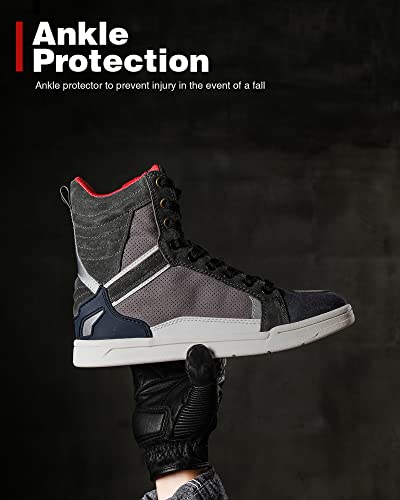
One of the greatest risks in a motorcycle accident is ankle torsion or crushing. Unlike standard sneakers, motorcycle shoes should feature some level of ankle reinforcement. This doesn't necessarily mean a rigid, high-top boot. Many modern riding shoes utilize internal ankle braces or padded collars that provide lateral stability without sacrificing the low-profile look. A good shoe will allow for natural movement—essential for shifting gears and using the rear brake—while preventing the ankle from bending at unnatural, injurious angles during a fall. If you are a commuter who spends significant time in stop-and-go traffic, prioritize shoes that offer a balance of flexibility and structural integrity.
Sole Composition and Grip
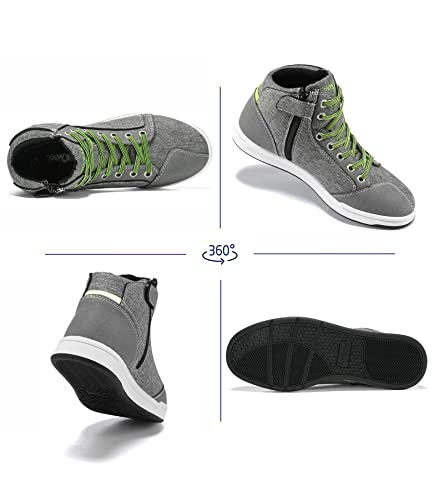
The sole of your shoe serves two masters: the footpeg and the pavement. A sole that is too soft will wear down rapidly against metal footpegs, while a sole that is too hard will lack the necessary grip when you are walking on oily garage floors or wet sidewalks. Look for oil-resistant, slip-resistant rubber outsoles with a defined tread pattern. This pattern should be aggressive enough to provide traction on the bike's controls but flat enough to allow for stable walking. Additionally, consider the thickness of the sole. A thicker sole provides a better buffer between your foot and the heat of the engine or the impact of the ground, but it can also make the shoe feel less 'connected' to the bike's controls.
Style vs. Functionality: The Lifestyle Factor
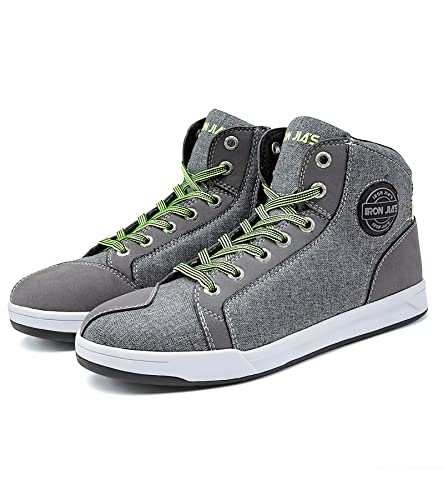
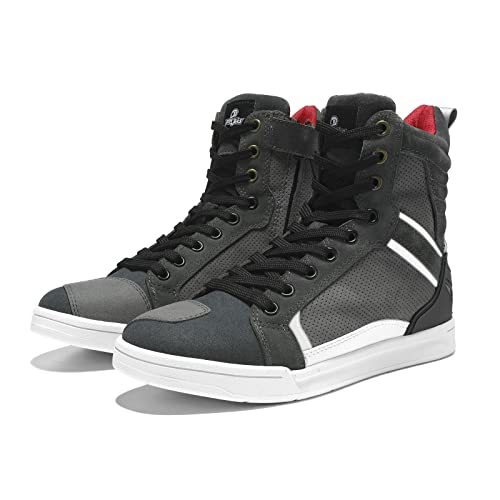
The beauty of motorcycle shoes lies in their versatility. Many riders choose this category specifically because they want to wear their footwear inside a restaurant or office without looking like they just stepped off a track. When choosing, consider the 'vibe' of your riding style. If you ride a cafe racer, you might lean toward distressed leathers and a vintage silhouette. If you ride a modern streetfighter, technical mesh and sleek, dark synthetics might suit you better. However, never sacrifice safety for style. A shoe that looks like a trendy high-top sneaker but lacks a reinforced heel or toe is a liability, not a piece of gear. The best motorcycle shoes are those that hide their protective nature behind a sophisticated, everyday appearance.