Prioritize Insulation and Thermal Retention
The primary function of an outdoor vest is to protect your vital organs from temperature drops while allowing heat to escape through your arms to prevent overheating during physical exertion. When evaluating Panegy vests, look closely at the fill material. Synthetic insulation is often preferred for outdoor activities because it retains its loft and warmth even when damp from perspiration or light mist. If you are planning on high-intensity activities like fast hiking, look for lightweight, compressible materials. If your goal is stationary warmth—such as sitting by a campfire or fishing—a thicker, more structured insulation layer will provide better heat retention.
Evaluate Material Durability and Weather Resistance
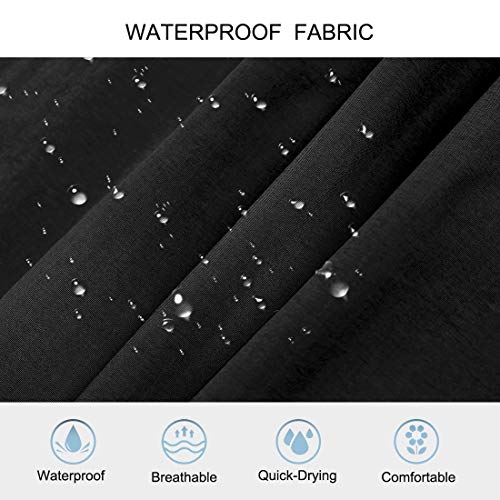
Outdoor environments are unforgiving on fabric. A vest intended for rugged use should feature a high-denier outer shell that can withstand abrasions from branches, rocks, or gear. Check for windproof properties. A vest that allows wind to cut straight through the fabric will negate any benefits provided by the insulation. While many outdoor vests are not fully waterproof, a water-resistant DWR (Durable Water Repellent) coating is a massive advantage for handling unexpected light drizzle or morning dew. Avoid vests with purely aesthetic linings if you plan on using them in unpredictable climates. Instead, look for ripstop nylon or reinforced stitching at high-stress points like the armholes and zippers.
Assess Pocket Utility and Storage Capacity
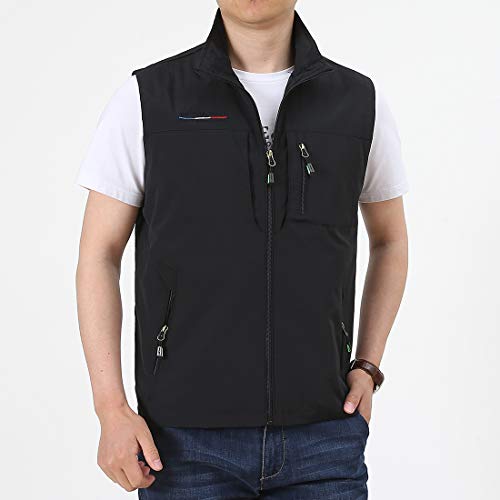
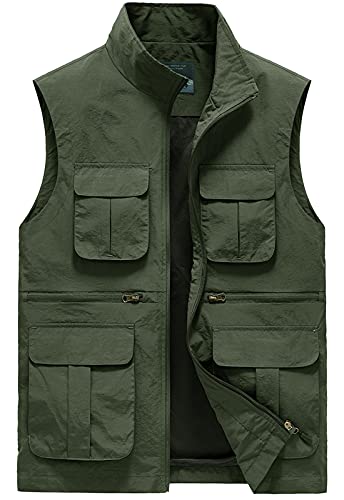
One of the standout features of many Panegy designs is the emphasis on utility. For the serious outdoorsman, pockets are not just an afterthought—they are a tool. When deciding on a model, consider how you carry your essentials. Do you need deep, zippered pockets to secure a smartphone and GPS? Are there specialized internal pockets for keeping thin items like a compass or wallet safe? For fishing or hunting, look for vests with multiple mesh or cargo pockets that allow for quick access to tackle, tools, or snacks. A vest with too few pockets may force you to carry a heavy backpack, whereas a well-designed utility vest can serve as a wearable organizer.
Fit, Mobility, and Layering Compatibility
A common mistake is buying a vest that is too tight, which compresses the insulation and reduces its effectiveness. When testing the fit, ensure there is enough room to wear a mid-weight fleece or a flannel shirt underneath without feeling constricted in the armpits. The hem should sit low enough to cover your waistline when you bend over, preventing cold air from rushing up your torso. Furthermore, consider the zipper quality. A smooth, heavy-duty two-way zipper is highly beneficial, as it allows you to unzip the bottom slightly to increase ventilation or to accommodate a thicker base layer without the garment bunching up around your chest.