Prioritize Fabric Composition and Weight
The most critical decision you will make is selecting the right material. Fabric dictates how the pants drape, how they breathe, and how much maintenance they require. For formal or business-casual settings, look for high-quality wool blends or fine cotton twill. Wool is naturally temperature-regulating and wrinkle-resistant, making it ideal for long days at the office. For casual wear, denim or heavy-duty canvas offers durability, while linen is the gold standard for summer heat due to its high breathability. If you are looking for something in between, chinos made from brushed cotton provide a smooth finish that works for almost any social setting. Pay close attention to synthetic blends. A small percentage of elastane or spandex (usually 2-3%) can significantly improve mobility and prevent the knees from bagging out over time.
Understand Fit and Silhouette
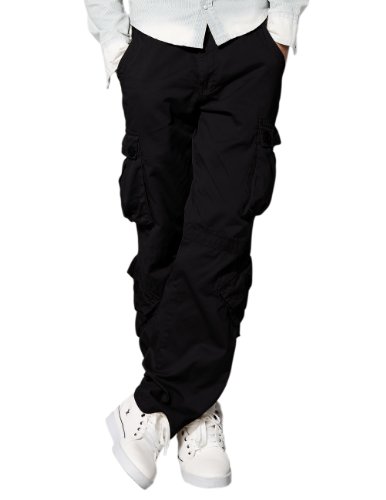
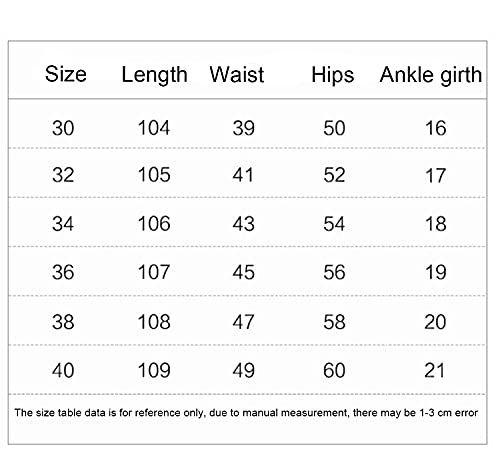
The term 'fit' is often misused, but in the world of trousers, it refers to three distinct dimensions: the waist, the seat, and the leg taper. A slim fit offers a narrow silhouette through the thigh and calf, which is modern and sharp but can be restrictive for those with more muscular builds. A straight fit provides a classic, timeless line that works well with heavier fabrics and boots. If you prefer comfort and a relaxed aesthetic, an athletic fit provides extra room in the seat and thighs while maintaining a tapered look at the ankle. Beyond the fit, consider the 'rise'—the distance from the crotch to the waistband. A low rise sits on the hips, whereas a mid or high rise sits closer to the natural waist, which can help elongate the legs and provide a more traditional, tailored appearance.
Evaluate Construction and Durability
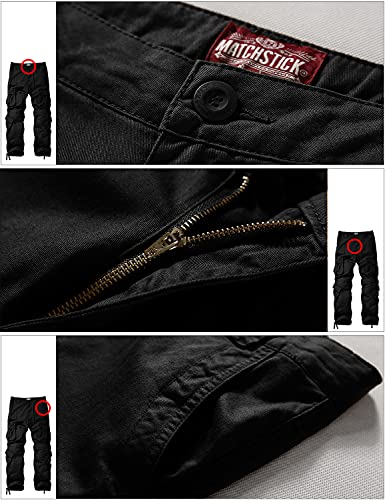
A pair of pants is only as good as its weakest seam. When inspecting quality, look for reinforced stitching at high-stress points, such as the crotch and the pocket corners. Pockets should be deep enough to hold modern smartphones without creating unsightly bulges. Additionally, check the waistband construction. A sturdy, well-constructed waistband will hold its shape even after multiple washes. For rugged or outdoor-oriented pants, look for features like gusseted crotches, which add a diamond-shaped piece of fabric to allow for a greater range of motion without the risk of tearing.
Match the Occasion to the Detail
Small details can shift a pair of pants from 'weekend casual' to 'business professional.' For example, trousers with belt loops are versatile, but those with side adjusters offer a cleaner, more sophisticated look for formal attire. Consider the hem: a 'no-break' or 'slight break' hem is contemporary and clean, while a 'full break' creates more fabric pooling at the ankle, which is a more traditional look often associated with wider leg openings. Always choose your hardware—zippers versus buttons—based on how much utility you need. Metal zippers are generally more durable, while button flies can offer a vintage aesthetic.