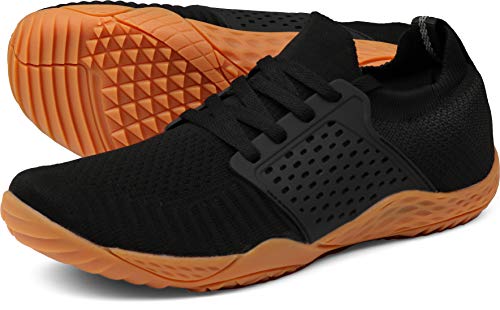
Prioritize Lateral Stability and Outrigger Support
In racquetball, you aren't just moving forward. You are constantly shifting side-to-side to intercept the ball. This lateral movement is where most injuries occur. When evaluating shoes, look for a wide base and reinforced sidewalls. High-quality court shoes often feature an 'outrigger'—a slight extension of the sole on the outer edge of the shoe. This design prevents the foot from rolling over the edge of the sole during a hard lateral cut. If the upper material feels flimsy or the sole is too narrow, you will likely lack the stability needed for competitive play.
The Importance of Non-Marking Gum Rubber Soles
The surface of a racquetball court is specialized, and your shoes must respect that. Most high-end racquetball shoes utilize gum rubber outsoles. Gum rubber provides superior traction on indoor wood or synthetic courts, allowing for those critical micro-adjustments in footing. Furthermore, ensure the shoes are explicitly labeled as 'non-marking.' This is a standard requirement for most clubs and facilities to prevent scuff marks and damage to the court surface. A shoe with a high-traction, non-marking sole will give you the confidence to dive and pivot without fear of slipping.
Shock Absorption vs. Court Feel
There is a delicate balance between cushioning and 'court feel.' If a shoe is too heavily cushioned (like a maximalist running shoe), you may feel disconnected from the floor, which can slow down your reaction time and make you feel 'mushy' during quick pivots. Conversely, a shoe that is too thin provides no protection against the impact of heavy lunges. Look for shoes that offer targeted cushioning in the heel and forefoot—specifically designed to absorb the shock of sudden stops—while maintaining a low profile that allows you to feel the court beneath you. This balance ensures you can play long sessions without heel fatigue while remaining agile.
Breathability and Upper Construction
Racquetball is a high-cardio sport that generates significant heat. A shoe with a closed, heavy synthetic upper will lead to overheating and moisture buildup, which increases the risk of blisters. Seek out shoes with engineered mesh panels or perforated synthetic materials that promote airflow. Additionally, the upper should be structured enough to lock your foot in place without being so rigid that it causes pressure points. A good fit means your foot stays centered over the midsole, even during the most aggressive movements.
Decision Logic: How to Choose
When narrowing down your selection, follow this hierarchy: First, check the outsole for gum rubber and lateral width to ensure safety. Second, evaluate the weight. Lighter shoes generally favor speed, while slightly heavier, more structured shoes favor stability. Third, consider your playing style. If you are a defensive player who spends a lot of time lunging and sliding, prioritize maximum cushioning and lateral support. If you are an aggressive power player who relies on quick, short bursts, prioritize a lightweight design with high responsiveness and excellent court feel.