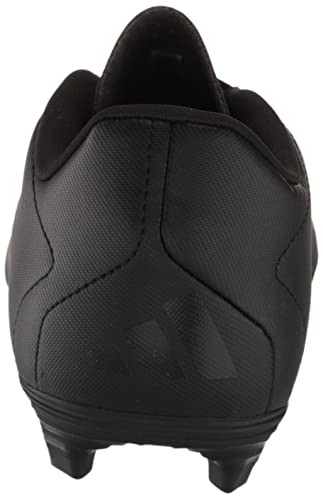
Understanding Stud Configuration and Ground Types
The most critical decision you will make is selecting the right stud pattern for the terrain you play on. Rugby pitches are rarely consistent. A hard, dry field requires different mechanics than a muddy, waterlogged pitch. For soft, wet ground, you need long, metal-tipped studs that can penetrate deep into the turf to provide a solid anchor. These are often referred to as 'soft ground' (SG) boots. These are indispensable for forwards who need maximum stability in the scrum.
Conversely, if you frequently play on firm, dry, or artificial surfaces, you should look for 'hard ground' (HG) or multi-stud synthetic configurations. These studs are typically shorter and more numerous, providing a wider base of support and reducing the risk of 'stud pressure,' which can cause foot pain on harder surfaces. For those playing on 3G or 4G artificial turf, ensure the shoes are specifically rated for synthetic surfaces to avoid the excessive heat and traction-related strain on your joints that standard metal studs can cause.
Position-Specific Design Needs
In modern rugby, the requirements for a prop are vastly different from those of a fullback. When selecting your shoes, consider your role on the pitch. Forwards—specifically those in the front and second rows—benefit from boots with reinforced toe boxes and heavy-duty uppers. These shoes need to withstand the constant grinding of scrums and the impact of heavy contact. A slightly heavier, more robust boot provides the structural integrity needed for these high-torque situations.
Backs, such as wingers and scrum-halves, prioritize agility and speed. For these players, lightweight construction is paramount. You want a boot that feels like an extension of your foot, allowing for rapid acceleration and sharp cutting maneuvers. Look for streamlined profiles and synthetic uppers that offer a 'second-skin' feel, reducing unnecessary weight without sacrificing the necessary grip for sprinting.
Material Durability and Upper Construction
The upper of the rugby shoe is your primary defense against the elements and the physical toll of the game. Traditional leather uppers are highly prized for their ability to mold to the shape of the foot over time, providing a bespoke fit and excellent natural water resistance. However, leather requires more maintenance to prevent cracking and stiffness.
Modern synthetic uppers have made massive strides, offering lightweight alternatives that are often more water-resistant and easier to clean. When evaluating synthetics, look for reinforced zones in high-wear areas, such as the medial side (the inner part of the foot) which often rubs against the opposing player during contact. A high-quality rugby shoe should feature internal reinforcement to prevent the foot from sliding inside the boot during lateral movements.
Fit, Support, and Ankle Stability
Because rugby involves significant lateral force, a secure lockdown is non-negotiable. A shoe that is too loose will cause your foot to slide, leading to blisters and a loss of power. Ensure the midfoot is tightly secured, either through a traditional lacing system or integrated support structures. Many players prefer a mid-cut design that offers a bit more ankle support, which can provide psychological and physical confidence during heavy contact. However, if you prefer maximum mobility, a low-cut boot is sufficient provided the internal heel counter is rigid enough to prevent your foot from slipping out during explosive movements.