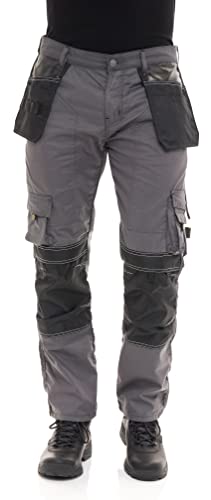
Prioritize Visibility Standards and Compliance
The primary function of safety pants is to ensure you are seen in low-light or high-activity environments. When shopping, do not just look at the brightness of the color. Look for the integration of retroreflective tape. High-quality fashion-forward safety pants will feature reflective strips that are strategically placed to highlight the human silhouette without looking like bulky, cheap additions. Check if the garment meets specific industry standards for high-visibility clothing, such as the placement and width of the reflective bands. A well-designed pair will integrate these elements into the seam lines or design motifs so that the safety features feel like a deliberate part of the pant's aesthetic rather than an afterthought.
Fabric Composition and Durability
Because these pants are intended for work, the fabric must be able to withstand abrasion, stretching, and frequent laundering. Look for blends that incorporate Cordura, heavy-duty cotton twill, or technical synthetic fibers. A common mistake is choosing a fabric that is too lightweight in an attempt to achieve a 'slim' fashion look. This often leads to premature tearing at the knees or crotch. The ideal choice is a medium-to-heavyweight fabric with a hint of elastane or spandex. This 'stretch' component is crucial: it allows for a more tailored, modern fit around the thighs and waist while still providing the mobility needed for squatting, climbing, or walking on uneven terrain.
Fit and Silhouette: The 'Fashion' Element
The distinction between standard workwear and fashion-forward safety pants lies in the cut. Standard work pants often feature a 'relaxed fit' that can result in excessive, tripping-hazard fabric around the ankles. For a more modern look, look for tapered or slim-straight silhouettes. A tapered leg provides a cleaner line from the hip to the ankle, which not only looks more professional but also prevents the pant legs from catching on machinery or debris. Pay close attention to the rise—a mid-rise cut is generally most comfortable for active work, providing enough coverage when bending over without feeling restrictive around the midsection.
Functional Utility and Pocket Architecture
A stylish pair of pants is useless if you cannot carry your essential tools. True safety pants should feature specialized pocketing, such as reinforced carpenter pockets, utility loops, or dedicated slots for measuring tapes and mobile devices. In fashion-forward versions, these pockets are often 'low-profile,' meaning they are integrated into the design to avoid unnecessary bulk. Look for reinforced stitching at the corners of these pockets, as these are the highest-stress points on the garment. If you frequently carry heavy tools, ensure the pockets are positioned so the weight is distributed evenly across your hips, preventing the pants from sagging and ruining the silhouette.
Weather Resistance and Breathability
Depending on your work environment, you may need pants that offer specific climate protections. If you work outdoors, look for DWR (Durable Water Repellent) coatings that allow moisture to bead off the surface. Conversely, if you work in high-exertion indoor environments, breathability is paramount. Moisture-wicking properties in the fabric will help regulate body temperature and prevent the discomfort of sweat buildup. A premium safety pant manages to balance these two extremes: providing a protective barrier against the elements while allowing air to circulate through the weave of the fabric.