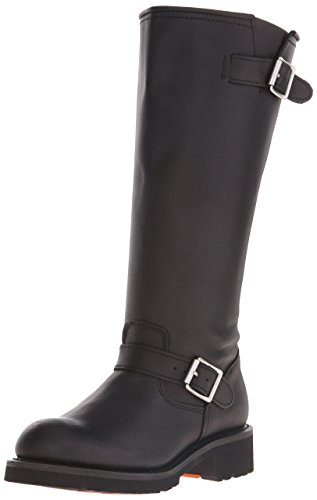
Prioritize Material Integrity
The material of your slip-on boot dictates its lifespan and its formality. Full-grain leather is the gold standard for durability. It develops a unique patina over time and offers superior protection against the elements. If you are looking for a more relaxed, bohemian, or smart-casual vibe, suede is an excellent choice. However, be aware that suede is significantly more high-maintenance and prone to water spotting. For those living in unpredictable climates, look for treated leathers or high-quality synthetic blends that offer water resistance without losing the structural integrity of the boot. Avoid cheap, thin synthetic materials that lack breathability, as these can lead to discomfort and odor during extended wear.
Understand the Silhouette and Construction
Not all slip-on boots are created equal. The Chelsea boot is the most iconic silhouette, characterized by its elastic side panels (gussets) that allow for easy entry. When inspecting a Chelsea boot, pay close attention to the quality of the elastic. It should be firm enough to hold the shape of the boot but flexible enough to allow your foot to slide in without struggle. Another popular option is the Chukka boot, which typically features a lower ankle profile and a more casual, textured appearance. Beyond the shape, consider the sole construction. A Goodyear welt offers maximum durability and can be resoled by a cobbler, making it a long-term investment. For daily urban commuting, a lightweight rubber or EVA sole provides better shock absorption and traction on slick city streets.
Consider the Occasion and Versatility
Before purchasing, visualize where you will actually wear these boots. A sleek, black leather Chelsea boot with a slim profile is a versatile powerhouse that works with dark denim or tailored trousers for a semi-formal look. Conversely, a chunky-soled, lug-bottom slip-on boot is better suited for rugged outdoor environments and casual streetwear. If you need a 'do-it-all' boot, aim for a mid-tone brown leather with a moderate heel height. This provides enough visual weight to pair with jeans but remains refined enough for a casual office environment. Avoid overly decorative hardware or excessive stitching if you want a boot that remains timeless.
The Importance of Fit and Comfort
Because slip-on boots lack laces to tighten the fit, the initial fit is critical. You should experience a snug sensation around the instep—this 'hug' is what keeps the boot secure while walking. If the boot is too loose, your heel will slip, leading to blisters and a sloppy gait. Conversely, if the toe box is too narrow, you will face discomfort during long periods of standing. Always check the arch support. Since you cannot adjust the tension of the boot, the internal footbed must provide adequate ergonomic support from the moment you step in. If possible, test the boots with the type of socks you intend to wear most frequently to ensure the volume of the boot accommodates your preference.