Prioritize Material Integrity
The foundation of any great boot is the upper material. Since slip-on boots lack laces to provide tension and hold the foot in place, the material must be substantial enough to maintain its shape while remaining flexible enough for easy entry. Full-grain leather is the gold standard. It is breathable, develops a beautiful patina over time, and offers superior water resistance. If you prefer a more rugged, workwear aesthetic, suede or nubuck provide a soft, textured look, though they require more frequent maintenance via weatherproofing sprays. Avoid synthetic 'vegan' leathers that feel overly plasticky, as these often lack the breathability necessary for long-term comfort and tend to crack rather than age gracefully.
Analyze the Entry and Elasticity
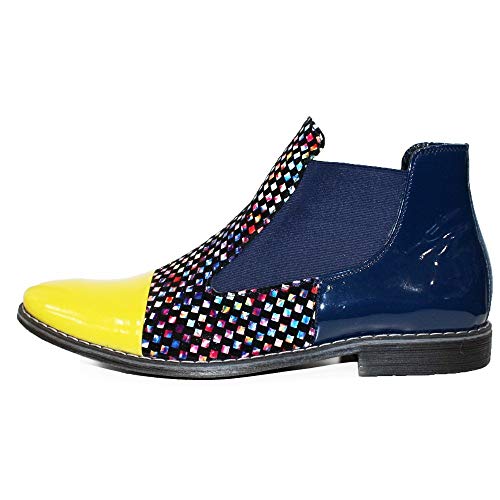
The defining feature of a slip-on boot is the 'ease of entry,' which is typically achieved through elastic side panels, often referred to as Chelsea-style gussets. When evaluating a pair, test the tension of these elastic inserts. If they are too loose, your foot will slide around inside the boot, leading to blisters and poor gait. If they are too tight, you will struggle to get the boot on in the morning. High-quality elastic should feel snappy and resilient, returning to its original shape immediately after being stretched. Additionally, look for a 'pull tab' at the heel. While not strictly necessary for a slip-on, a well-constructed pull tab provides much-needed leverage when sliding your foot into a snug-fitting boot.
Sole Construction and Traction
Because slip-on boots are often used for versatile, all-day wear, the outsole is a critical decision factor. For urban environments and office settings, a slim leather or low-profile crepe sole offers a sophisticated, streamlined look. However, if you intend to wear your boots in inclement weather or on uneven terrain, look for a lugged rubber sole. A deep tread pattern provides the necessary grip to prevent slipping on wet pavement. Furthermore, consider the weight of the sole. A heavy, chunky sole can provide stability but may lead to leg fatigue if you are walking long distances. A lightweight EVA or lightweight rubber compound is an excellent middle ground for those seeking comfort and agility.
Comfort and Internal Support
Without laces to tighten the fit around your instep, the internal architecture of the boot does the heavy lifting. Check for a cushioned insole that offers arch support. Many premium slip-on boots utilize memory foam or contoured footbeds to compensate for the lack of adjustable tension. Pay close attention to the heel cup. It should be structured enough to prevent your heel from lifting out of the boot while walking. If you have wider feet, look for boots with a wider toe box, as the lack of lacing means you cannot 'cinch' the boot to accommodate volume, making the initial fit even more vital.
Style Versatility and Occasion
Before purchasing, consider your existing wardrobe. A dark brown or black leather Chelsea boot is a versatile powerhouse that transitions seamlessly from denim to chinos. Conversely, a suede desert-style slip-on boot leans more casual and pairs best with relaxed fabrics. Match the 'heaviness' of the boot to the weight of your clothing. A heavy, lug-soled boot can look out of place with lightweight summer trousers, just as a slim, formal slip-on might look dwarfed by heavy workwear jeans.