Prioritizing Fabric and Seasonal Versatility
The first decision factor for any uninukoo blazer is the material composition. Because sport coats are often worn in varied environments, the fabric dictates both the formality and the comfort level. For year-round wear, look for cotton-blend or linen-blend options. These materials offer breathability, which is essential if you plan to wear your blazer during warmer months or in crowded indoor settings. If you are aiming for a more structured, formal aesthetic, heavier weaves provide a sharper silhouette that resists wrinkling. Pay close attention to the texture. A matte finish is generally more versatile for casual settings, while a slight sheen can elevate the garment for evening events.
Understanding the Importance of the Cut
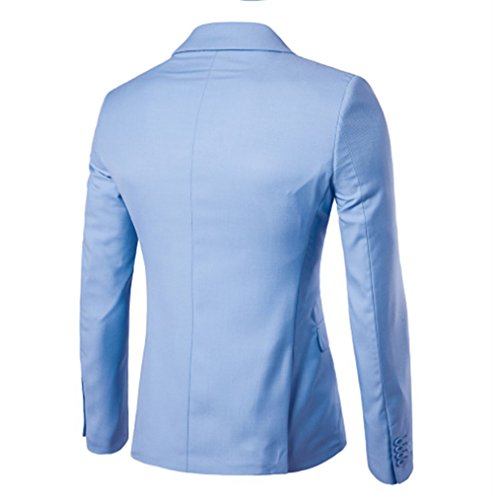
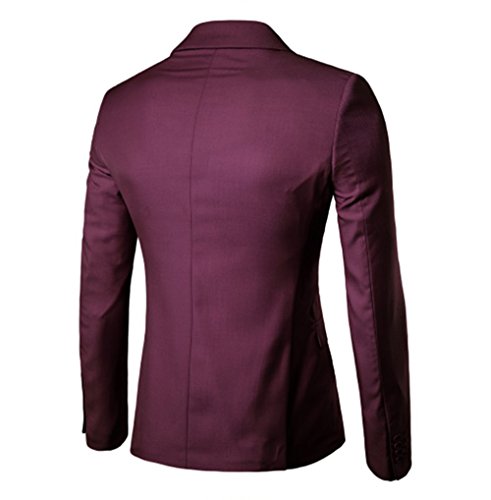
A blazer lives or dies by its silhouette. When browsing this category, you will encounter different cuts that cater to various body types. A slim-fit blazer is designed to contour closely to the torso, making it ideal for leaner frames or for a modern, trendy look. However, if you prefer more room for movement or have a broader build, a regular or classic fit will provide a more comfortable, traditional drape. The shoulder fit is the most critical element: the seam of the blazer should sit exactly where your natural shoulder ends. If the seam hangs over the edge, the jacket will look oversized. If it pulls inward, it will look restrictive and cheap.
The details of the lapel and the button arrangement define the blazer's personality. Notch lapels are the standard for most uninukoo sport coats, offering a versatile look that works for almost any occasion. Peak lapels, conversely, are more aggressive and formal, drawing the eye upward and broadening the chest. Regarding buttons, a single-breasted design is the most common and easiest to style, offering a clean, streamlined appearance. A two-button configuration is the gold standard for modern menswear, as it creates a natural 'V' shape that elongates the torso. Avoid multi-button configurations unless you are specifically aiming for a vintage or highly formal aesthetic, as they can often appear dated.
Matching Style to Occasion
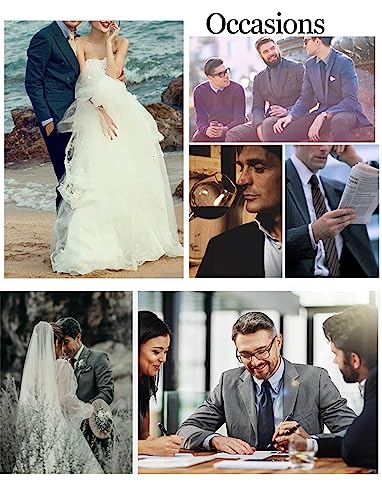
To make the best selection, visualize where you will actually wear the garment. If your goal is 'smart casual,' opt for a blazer with a softer construction—meaning less heavy padding in the shoulders and a more relaxed interior. This allows you to pair the jacket effortlessly with chinos or high-quality denim. If the goal is 'business professional,' look for a more structured blazer with defined shoulder padding and a crisp, pressed appearance. The ability to transition from a daytime meeting to an evening social event depends entirely on choosing a color palette—such as navy, charcoal, or tan—that complements your existing wardrobe without clashing.
Final Checklist for Quality Assurance
Before finalizing your purchase, check the functional details. Look for high-quality stitching along the lapels and pockets, as loose threads are a sign of poor construction. Ensure the pockets are positioned at a height that feels natural to your stride. Finally, consider the lining. A half-lined or unlined blazer will offer superior breathability and a more casual vibe, while a fully lined blazer will provide better structure and warmth for cooler climates.