Compression vs. Compression-Lite
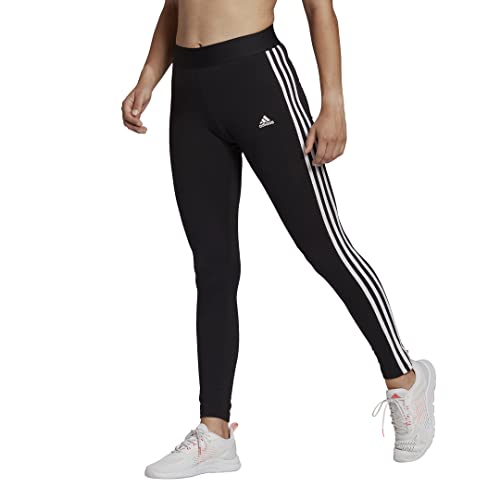
The first decision you must make is the level of pressure you want the garment to apply. True compression leggings are engineered to apply graduated pressure to your muscles, which can aid in blood circulation and reduce muscle oscillation during high-impact activities like sprinting or jumping. These are ideal for recovery and intense training. On the other hand, 'compression-lite' or 'performance tights' offer a snug fit without the intense squeeze. These are better suited for low-impact activities like weightlifting or mobility work, where you want the fabric to stay in place without feeling overly restrictive.
Fabric Composition and Moisture Management
In sports leggings, the fabric is everything. You should look for synthetic blends, typically involving nylon or polyester mixed with a high percentage of elastane (often branded as Spandex or Lycra). A high elastane content ensures the leggings retain their shape and don't sag at the knees or waist after an hour of movement. Beyond stretch, moisture-wicking capabilities are non-negotiable. Look for fabrics specifically treated to pull sweat away from the skin to the outer surface of the garment, where it can evaporate quickly. This prevents the 'heavy, wet feeling' that occurs with cotton-heavy blends, which are generally unsuitable for high-intensity training.
Seam Construction and Chafing Prevention
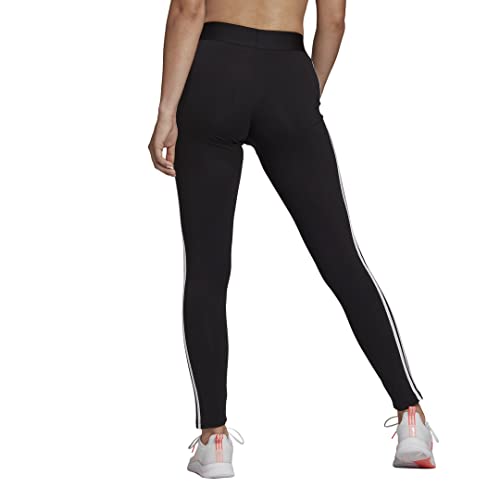
One of the most common complaints with men's leggings is discomfort caused by friction. To avoid this, prioritize leggings that feature flatlock stitching. Unlike standard seams that rise off the fabric, flatlock seams lie flush against the skin, significantly reducing the risk of chafing during repetitive motions like running. Additionally, pay attention to the placement of the seams. Ergonomic seam placement—designed to follow the natural contours of the leg—will provide a better range of motion and prevent the fabric from bunching in the groin or behind the knees.
Waistband Design and Support
The waistband is the anchor of your leggings. For heavy lifting or high-intensity interval training (HIIT), look for a wide, high-rise elastic waistband. A wider band distributes pressure more evenly around your core, preventing the leggings from sliding down during squats or lunges. Some premium options include a subtle internal drawstring, which offers extra security for those with more active movement patterns. Avoid thin, narrow waistbands, as these tend to roll over or dig into the skin when you bend at the waist.
Functionality: Pockets and Length
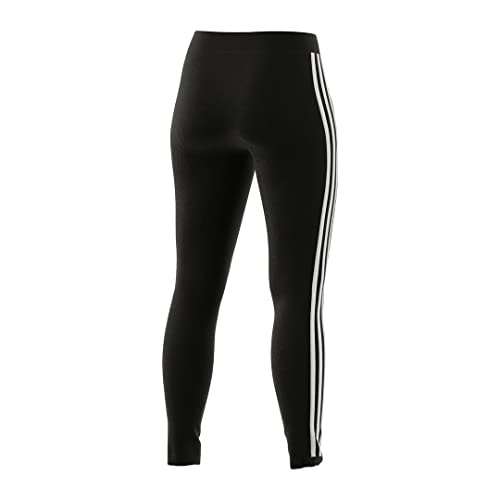
Consider how you carry your essentials. While some purists prefer a streamlined look, many athletes find immense value in side thigh pockets or a concealed waistband pocket for a key or phone. Regarding length, full-length leggings are superior for outdoor training in cooler climates or for providing maximum muscle coverage. If you train primarily in warm environments, 7/8 length or capri-style leggings offer the benefits of compression while providing better ventilation around the ankles.