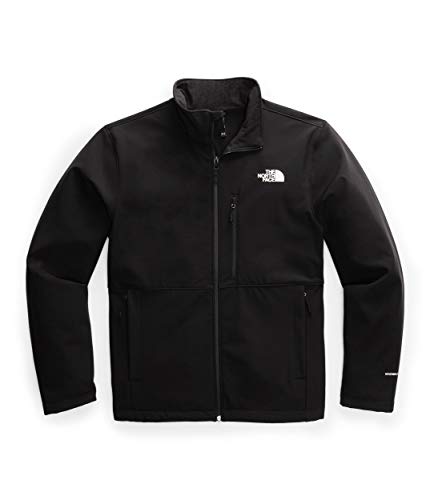
Prioritize Fabric Technology and Wind Resistance
The primary function of a windbreaker is to break the wind, but the method by which it does so varies significantly. When shopping, look for the distinction between 'wind-resistant' and 'windproof.' Wind-resistant fabrics use a tight weave to deflect gusts, which is ideal for high-output activities like running where you need some airflow to prevent overheating. Windproof fabrics often feature a laminate membrane that provides a total block against the elements. These are better suited for stationary activities or extreme environments where heat retention is the priority. Additionally, check for DWR (Durable Water Repellent) coatings. While a windbreaker is not a raincoat, a DWR finish will allow light mist or drizzle to bead off the surface, preventing the fabric from becoming heavy and waterlogged during a sudden shower.
Assess Breathability and Moisture Management
The biggest pitfall in selecting a sports windbreaker is choosing a jacket that traps too much heat. If you are engaging in cardiovascular exercise, you will generate significant body heat and perspiration. If your windbreaker lacks breathability, you will experience the 'trash bag effect,' where moisture builds up inside the jacket, leaving you damp and chilled once you stop moving. Look for technical specifications such as high CFM (Cubic Feet per Minute) ratings for airflow or the inclusion of mechanical venting. Mechanical venting refers to physical design features like underarm zippers, mesh-lined back panels, or laser-cut perforations that allow heat to escape naturally without compromising the wind barrier.
Focus on Ergonomic Fit and Mobility
A sports windbreaker must move with your body. A fit that is too tight will restrict your range of motion during overhead movements (like running strides or cycling reaches), while a fit that is too baggy will create excess fabric that flaps in the wind, causing noise and aerodynamic drag. Look for articulated sleeves—a design feature where the fabric is pre-shaped at the elbows to follow the natural bend of the arm. Additionally, consider the hem design. An adjustable bungee cord at the waist or hem allows you to cinch the jacket close to your body, preventing cold air from rushing up underneath the garment during high-speed movement.
Essential Functional Details
Beyond the core fabric, the small details often dictate the long-term utility of the garment. High-quality zippers are non-negotiable. Look for YKK or similar heavy-duty, smooth-gliding zippers that won't snag mid-workout. For runners and outdoor enthusiasts, zippered security pockets are essential for holding keys or cards without them bouncing against your leg. Finally, consider visibility. If you frequently exercise in low-light conditions, prioritize windbreakers that incorporate reflective hits on the chest, back, or sleeves to ensure you remain visible to motorists and others in your environment.