Prioritizing Fabric Composition and Weight
The foundation of any high-quality suit lies in its textile. When evaluating options, the first thing to consider is the fiber content. Natural fibers, particularly high-grade wool, remain the gold standard for professional attire. Wool is prized for its breathability, moisture-wicking properties, and ability to drape elegantly over the body without excessive wrinkling. For seasonal versatility, look for 'Super' numbers (such as Super 100s or 120s). These indicate the fineness of the wool fibers. A higher number generally means a softer, smoother hand-feel, though it may be more delicate.
If you are shopping for warmer climates or summer weddings, linen and cotton blends offer a more relaxed, breathable alternative, though they are prone to more visible creasing. For a formal evening look, a silk blend can add a subtle luster that elevates the suit's presence under artificial lighting.
Understanding Cut and Silhouette
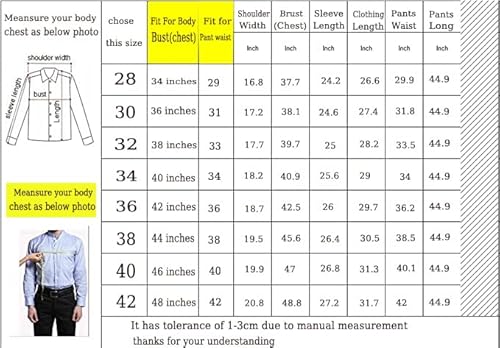
The 'cut' of a suit determines how it interacts with your physique. There are three primary silhouettes to navigate: Slim Fit, Modern Fit, and Classic Fit. A Slim Fit is characterized by a higher armhole, a narrower waist, and tapered trousers, making it ideal for leaner builds or those seeking a contemporary, fashion-forward edge. However, be wary of excessive tightness, as it can restrict movement and cause pulling at the buttons.
The Modern Fit serves as the perfect middle ground, offering a tailored appearance that follows the body's contours without being restrictive. This is often the safest bet for most body types. Finally, the Classic Fit provides more room in the chest, shoulders, and waist, offering maximum comfort and a traditional aesthetic. When selecting your cut, ensure the shoulder seams sit exactly where your natural shoulder ends. If the seam hangs over, the suit is too large. If it pulls toward the neck, it is too small.
Construction Details: Canvas vs. Fused
One of the most critical technical decisions is the internal construction of the jacket. A 'fused' suit uses a permanent adhesive to bond the lining to the outer fabric. While common in entry-level tailoring due to lower costs, fused suits can feel stiff and may develop bubbling over time after repeated dry cleaning.
For a superior investment, look for 'half-canvas' or 'full-canvas' construction. In a canvassed suit, a layer of horsehair or synthetic material is stitched between the fabric and the lining. This allows the suit to mold to your body shape over time, providing a more natural drape and better breathability. While more expensive, a canvassed suit is a hallmark of quality that justifies the premium price through increased durability and a more sophisticated silhouette.
Key Decision Factors: Lapels, Vents, and Trousers
Beyond the core construction, the finer details define the suit's formality. Notch lapels are the most versatile and suitable for daily business, whereas peak lapels offer a more assertive, formal flair often seen in double-breasted styles. Regarding the back of the jacket, a single vent is traditional and sleek, while double vents (side vents) provide better mobility and prevent the jacket from bunching when you sit or place your hands in your pockets.
Lastly, pay attention to the trouser break. A 'no break' or 'slight break' offers a clean, modern look where the hem just touches the top of the shoe. A 'full break' results in more fabric folding at the ankle, which leans toward a more conservative, traditional style. Matching these details to your personal style and the occasion is the final step in securing a suit that feels truly bespoke.