Understanding Construction and Material Integrity
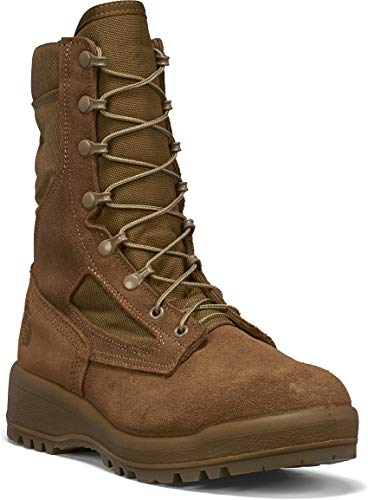
The foundation of a high-quality tactical boot lies in its upper construction. For those operating in extreme heat, look for boots featuring high-grade, breathable leather paired with moisture-wicking nylon. This combination provides the necessary abrasion resistance while preventing heat buildup. Conversely, if your deployment involves wet or marshy environments, prioritize boots with integrated waterproof membranes. These membranes are essential for keeping moisture out while still allowing internal perspiration to escape, preventing the dreaded 'swamp foot' that leads to blisters and discomfort during long marches.
Outsole Traction and Terrain Adaptation
The outsole is your primary interface with the ground, and its design dictates your stability. Tactical boots generally fall into two categories regarding tread: aggressive lug patterns and multi-terrain profiles. If your work involves loose dirt, mud, or steep inclines, you need deep, widely spaced lugs that can bite into the earth and shed debris effectively. For urban environments or slick indoor surfaces, a more closely spaced, specialized rubber compound provides better surface area contact, reducing the risk of slips on polished concrete or wet pavement. Pay close attention to the 'slip-resistance' rating, as this is a non-negotiable safety factor in high-activity roles.
Support, Weight, and Fatigue Management
One of the most significant trade-offs in tactical footwear is between ankle support and weight. High-cut boots provide superior lateral stability, which is crucial when carrying heavy loads or navigating uneven ground where ankle rolls are a risk. However, these offer more resistance during rapid movement. Mid-cut boots serve as a versatile middle ground. Weight is also a silent killer of endurance. Even a few extra ounces per boot can lead to significant cumulative fatigue over a twelve-hour shift. Look for boots that utilize lightweight composite materials in the midsole to provide shock absorption without the heavy penalty of traditional rubber midsoles.
Internal Comfort and Fit Nuances
A boot can be built like a tank, but if it doesn't fit your foot shape, it will fail you. Tactical boots often feature reinforced toe caps and heel cups to prevent sliding, but these can feel restrictive if the sizing is off. When evaluating fit, ensure there is enough room for your toes to splay slightly, which occurs naturally as your feet swell during the day. Additionally, consider the lacing system. High-quality tactical boots often incorporate speed-lacing hardware that allows for quick adjustments, ensuring you can tighten the boot for stability during movement and loosen it for circulation during rest periods.
Decision Logic: Matching the Boot to the Mission
To make the final selection, define your primary environment. If your mission is primarily reconnaissance in varied climates, prioritize a lightweight, breathable, mid-cut boot with a hybrid outsole. If your role involves heavy load-bearing or static duty in harsh elements, invest in a heavy-duty, high-cut leather boot with waterproof capabilities and superior ankle stabilization. Never sacrifice protection for weight, but never let weight compromise your ability to move quickly when seconds count.