Understanding the Discipline-Specific Requirements
The first step in selecting the right shoe is identifying your primary discipline. Track and field is a broad category that requires highly specialized geometry. For sprinters, you need a shoe with a stiff, aggressive plate designed for maximum power transfer and minimal energy loss during the drive phase. These shoes typically have a very low heel-to-toe drop to keep the athlete in a permanent state of readiness. For distance runners on the track, the focus shifts toward lightweight cushioning and a more flexible forefoot to accommodate thousands of repetitive strides. Cross-country runners, however, require a hybrid approach: enough traction to handle uneven turf and mud, but enough durability to withstand varying weather conditions and rugged terrain.
Traction and Spike Configuration
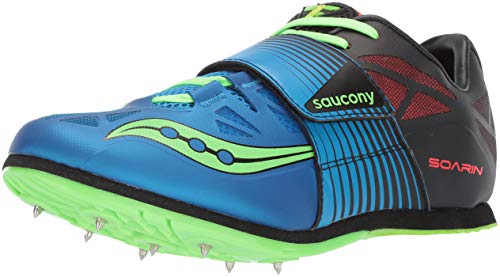
The outsole is where the most significant differences lie. In track events, spikes are usually shorter and more aerodynamic, designed to bite into a hard, synthetic surface without causing instability. In cross-country, you should look for longer, aggressive spike patterns or specialized lugged outsoles that can penetrate soft soil and prevent slipping on wet grass. If you frequently compete on hard-packed dirt trails, a multi-purpose shoe with a more moderate lug depth may be more versatile than a dedicated mud spike. Always consider the surface of your primary training ground before committing to a specific spike length or configuration.
Weight vs. Durability: The Athlete's Dilemma
In competitive racing, weight is the enemy. Every gram added to the foot increases the metabolic cost of every stride. High-end racing flats and spikes prioritize ultra-lightweight mesh and minimal overlays to shave off weight. However, there is a direct trade-off with durability. A shoe designed purely for a single race may only last a few weeks of intense training. If you are looking for a shoe that can serve as both a daily trainer and a light racing option, you will need to accept a slightly heavier build in exchange for a more robust upper and a thicker midsole that can handle higher mileage.
Fit, Lockdown, and Upper Construction
Because track and cross-country shoes are often worn at high intensities, 'lockdown' is a non-negotiable factor. A loose shoe leads to internal foot sliding, which causes blisters and wasted energy. Look for uppers with reinforced eyelets and structural overlays that wrap around the midfoot. For sprinters, a very tight, second-skin fit is preferred to ensure the foot moves in perfect unison with the plate. For cross-country runners, a slightly more breathable and accommodating toe box might be necessary to account for foot swelling during long, grueling runs in varied temperatures. Ensure the heel cup is rigid enough to prevent slipping during high-speed directional changes.
Recommendation Logic: How to Choose
When making your final decision, follow this hierarchy: First, define your surface (Track, Grass, or Trail). Second, define your distance (Sprints, Middle Distance, or Long Distance). Third, evaluate your training volume. If you only need a shoe for race day, prioritize weight and stiffness. If you need a shoe for both training and racing, prioritize cushioning and outsole longevity. By matching the mechanical properties of the shoe—stiffness, traction, and weight—to the specific demands of your event, you ensure that your footwear acts as an extension of your body rather than a limitation.