Understanding Your Primary Discipline
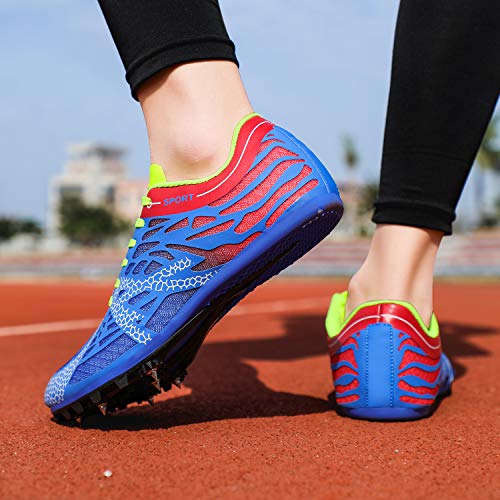
The most important decision you will make is categorizing your primary usage. A shoe designed for the track is fundamentally different from one designed for cross-country. Track and field shoes often feature a much stiffer plate to maximize energy return during sprints or jumps, which provides a 'snappy' feel but offers very little cushioning for long-distance road running. Conversely, cross-country shoes prioritize stability and grip on dirt, grass, and mud. If you are a multi-sport athlete, you may need to decide between a versatile trainer that can handle light trail work or specialized racing flats that are optimized for a single specific surface.
Traction and Outsole Configuration
In the world of competitive racing, the outsole is where the magic happens. For track athletes, look for designs that focus on weight reduction and minimal surface contact to decrease drag. For cross-country runners, the priority shifts to lug depth and spacing. Deep, widely spaced lugs are essential for shedding mud. If the lugs are too shallow or too close together, they will clog with debris, turning your high-performance shoe into a heavy, slippery weight on your foot. Evaluate the hardness of the rubber compound as well—softer compounds provide better grip on wet surfaces but may wear down faster on abrasive tracks.
Upper Material and Breathability
The upper of the shoe dictates how much control you have over your foot during rapid direction changes. In field events like long jump or triple jump, a reinforced upper that locks the midfoot in place is vital to prevent sliding inside the shoe. For distance-oriented cross-country running, breathability becomes the dominant factor. Synthetic mesh uppers are generally preferred because they manage moisture effectively and prevent the foot from overheating during long, grueling efforts. Ensure the toe box provides enough room for natural toe splay, especially as your feet tend to swell during intense physical exertion.
Weight vs. Cushioning Balance
There is an inherent trade-off between weight and impact protection. The lighter the shoe, the less energy you expend with every stride, which is a massive advantage in sprinting. However, a lack of cushioning can lead to increased fatigue and impact stress on your joints during cross-country races over uneven ground. When reviewing options, look for 'responsive' cushioning—this refers to midsoles that don't just absorb shock but actually bounce back, helping to propel you forward. If you are prone to foot fatigue, look for a slightly higher stack height in the heel, provided it doesn't compromise your stability on uneven terrain.
Fit and Lockdown Mechanics
Finally, do not overlook the importance of the lacing system and heel lockdown. A high-performance shoe is useless if your heel slips during a sprint or if your foot slides laterally during a field event. Look for lacing patterns that allow you to tighten the midfoot without creating pressure points on the top of your foot. A secure heel counter—the stiff part at the back of the shoe—is non-negotiable for maintaining a stable platform during high-speed maneuvers.