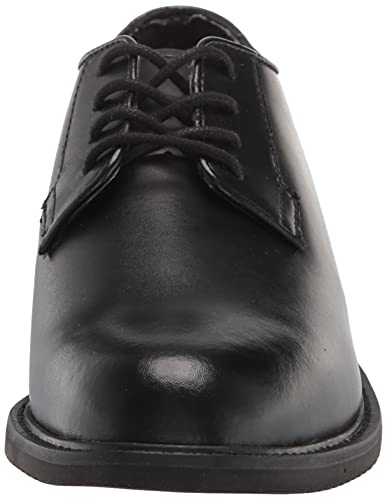
Understanding the Oxford Silhouette
The defining characteristic of an oxford is the closed lacing system. Unlike derbies, which feature open lacing, oxfords have eyelet tabs that are sewn under the vamp. This creates a sleek, formal, and continuous look that is the gold standard for professional uniforms. When shopping for uniform oxfords, ensure the silhouette is clean and free of excessive ornamentation. For most formal or corporate uniforms, a plain-toe or cap-toe design is the most versatile choice. Avoid heavy broguing (decorative perforations) unless your specific uniform policy allows for a more casual, textured look, as excessive detail can sometimes clash with strict service industry standards.
Prioritizing All-Day Comfort and Support
If your role requires you to be on your feet for eight hours or more, comfort is your primary metric. Look for oxfords that incorporate advanced ergonomic features. High-quality uniform shoes often feature contoured footbeds or memory foam insoles that provide cushioning at high-pressure points, such as the heel and the ball of the foot. Beyond the insole, pay attention to the arch support. A flat shoe will lead to plantar fasciitis and lower back pain over time. Ideally, seek out shoes with a built-in shank—a structural element in the sole that provides stability and prevents the shoe from collapsing under your weight throughout the day.
Material Selection: Leather vs. Synthetics
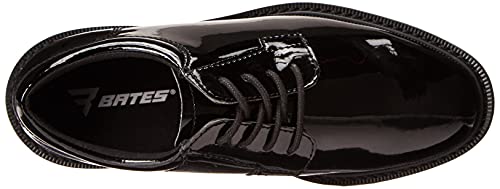
The material of your oxford dictates both its lifespan and its maintenance requirements. Full-grain leather is the premium choice. It is breathable, molds to the shape of your foot over time, and can be polished to a high shine. However, leather requires regular conditioning to prevent cracking. For those in high-moisture environments or those seeking lower maintenance, high-quality synthetic leathers or treated patent leathers are viable alternatives. These materials are often easier to wipe clean and more resistant to water, though they generally lack the long-term breathability of natural hides. Always check your company handbook to ensure the material meets their specific 'shine' or 'texture' requirements.
Durability and Sole Construction
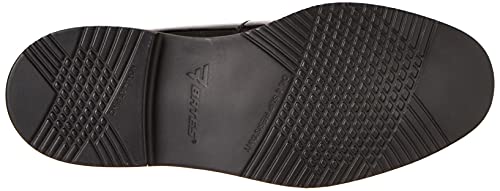
Uniform shoes undergo significantly more friction and impact than standard dress shoes. Examine the sole construction carefully. A Goodyear welt offers incredible durability and allows for resoling, but it can be heavier. For many service professionals, a lightweight rubber or TPU (Thermoplastic Polyurethane) outsole is preferable. These materials provide superior slip resistance—a critical safety factor on polished lobby floors or kitchen surfaces—and offer better shock absorption than traditional leather soles. Look for non-marking outsoles if you work in environments where scuffing floors is a concern.
The Importance of Fit and Break-in Periods
A formal oxford should feel snug but never restrictive. Because of the closed lacing system, there is less room for adjustment than in a derby. Ensure there is enough room in the toe box to allow for natural foot swelling that occurs throughout a shift. We recommend purchasing oxfords in the late afternoon when your feet are at their largest. Remember that even the most expensive shoes require a break-in period. Plan to wear your new oxfords around the house for a few hours before your first full shift to allow the materials to soften and conform to your gait.