Prioritizing Impact Absorption and Cushioning
In volleyball, the most frequent stressor on your body is the repeated landing from jumps. When selecting a shoe, you must look closely at the midsole technology. High-quality volleyball shoes utilize specialized foam or gel inserts designed to dissipate the kinetic energy generated during a landing. For hitters and blockers, look for 'energy return' features. These aren't just about softness. They are about how quickly the material rebounds to help propel you back into your next movement. However, be wary of overly plush cushioning. If a shoe is too soft, you lose the 'court feel' and stability needed for quick lateral movements, making you feel like you are running on sand.
Lateral Stability and Outsole Traction
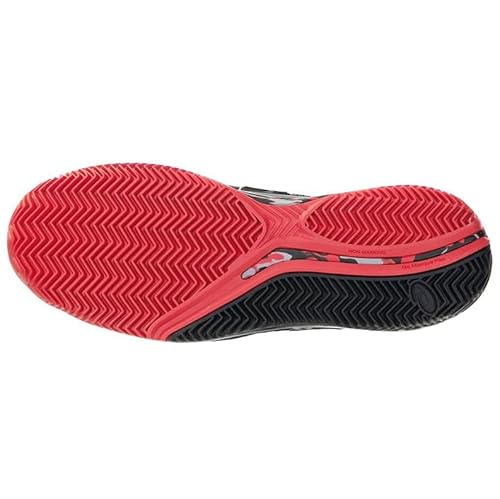
Volleyball is a game of sudden stops and explosive side-to-side transitions. A shoe with a narrow base or a high center of gravity is a recipe for ankle rolls. Look for footwear with a wide outsole and reinforced lateral walls. These structural elements prevent your foot from sliding off the footbed during hard cuts. Furthermore, the tread pattern of the outsole is paramount. You want a non-marking rubber compound with a multidirectional grip pattern. This ensures that whether you are pushing off for a spike or sliding into a defensive position, your connection to the floor remains absolute and slip-free.
Weight vs. Durability
There is a constant tug-of-war in footwear design between lightweight materials and structural durability. Lightweight shoes allow for faster footwork and less fatigue during long tournament days. However, many lightweight shoes sacrifice the reinforcement needed in high-wear areas, such as the toe box (important for players who drag their feet during approaches) and the medial side. Aim for a middle ground: a shoe that utilizes breathable, lightweight mesh for the upper but incorporates synthetic overlays in high-stress zones to maintain the shoe's shape and integrity over time.
Fit and Lockdown Mechanics
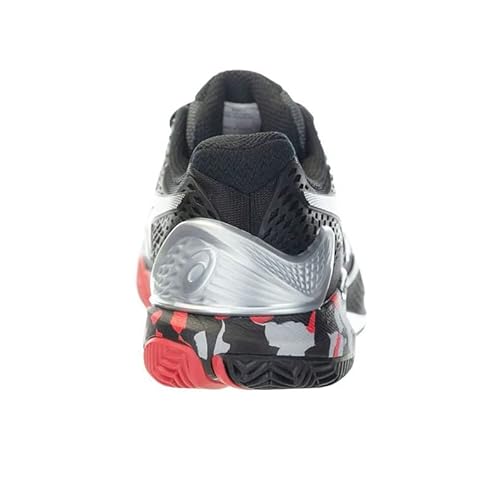
A proper fit in a volleyball shoe is much tighter than a casual sneaker. You need 'lockdown'—the sensation that your foot is securely anchored to the sole. If there is any internal sliding within the shoe, you risk blisters and loss of power during explosive movements. Check the heel counter. It should be firm enough to hold your heel in place without being so rigid that it causes pressure points. Additionally, consider the lacing system. Many top-tier models feature reinforced eyelets that allow you to pull the laces tighter across the midfoot, providing a custom, secure feel that accommodates different foot shapes.
Recommendation Logic: Choosing Based on Position
When making your final selection, match the shoe's primary attribute to your court role. If you are a Middle Blocker, prioritize maximum cushioning and stability to handle the heavy impact of constant jumping. If you are a Setter or Libero, prioritize low-profile soles and lightweight construction to maximize agility and reaction time. For Outside Hitters, look for a hybrid approach that offers a balance of explosive energy return and lateral support.