Understanding Safety Ratings and Toe Protection
The most critical decision factor is the level of impact protection required for your specific job site. Most safety shoes fall into two primary categories: steel toe and composite toe. Steel toe caps offer the highest level of puncture resistance and impact protection in a relatively slim profile, making them ideal for heavy industrial environments where heavy objects are frequently dropped. However, they can be heavy and conduct temperature, making them cold in winter and hot in summer. Composite toes, made from non-metallic materials like carbon fiber or high-density plastics, are lighter and do not conduct heat or electricity, which is a significant advantage for electricians or those working in extreme climates. When shopping, always check for compliance with recognized safety standards to ensure the toe cap meets the necessary compression and impact thresholds.
Sole Construction and Slip Resistance
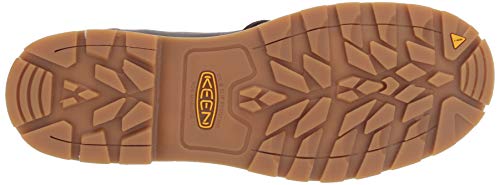
The outsole of your work shoe is your primary defense against falls. Depending on your environment, you will need to prioritize different tread patterns. If you work in environments prone to oil, grease, or chemical spills, look for outsoles specifically rated for slip resistance (often labeled as SRC or similar industry standards). These soles utilize specialized rubber compounds and deep, multi-directional tread patterns to channel liquids away from the contact point, maintaining grip. Furthermore, consider the material of the sole. Polyurethane (PU) offers excellent shock absorption and lightweight comfort, while rubber provides superior durability and oil resistance for high-abrasion tasks.
Material Durability and Breathability
The upper material of the shoe determines how long it will last and how much moisture stays trapped inside. Full-grain leather is the gold standard for durability. It is naturally water-resistant, easy to clean, and develops a patina that conforms to your foot over time. However, leather can be heavy and less breathable. If your work involves high physical exertion in warm environments, you might opt for synthetic mesh or specialized breathable leathers that allow for better airflow. For those working in wet or muddy conditions, a waterproof membrane integrated into the upper is non-negotiable to prevent discomfort and skin irritation caused by moisture buildup.
Ergonomics and Long-Term Comfort
A common mistake is choosing a shoe based solely on its protective shell while ignoring the interior. Safety shoes are inherently heavier than standard footwear, which can lead to foot, knee, and back fatigue. To mitigate this, look for advanced midsole technologies such as EVA (Ethylene Vinyl Acetate) for lightweight cushioning or specialized gel inserts for shock absorption. Additionally, consider the arch support and the width of the toe box. A wide toe box is particularly important in safety shoes to ensure that the protective cap does not pinch your toes during long periods of standing. If you plan on adding custom orthotics, ensure the shoe has a removable insole and sufficient volume to accommodate the extra layer.
Summary of Recommendation Logic
To choose the best pair, start by identifying your primary hazard: Is it falling objects (choose steel or composite toe), slipping (choose high-traction rubber), or electrical conductivity (choose composite and non-metallic)? Once the hazard is addressed, layer in your environmental needs: Is it wet (waterproof leather) or hot (breathable mesh)? Finally, refine your choice based on your daily movement: Are you walking miles on concrete (high-cushion EVA) or standing stationary (superior arch support)? By following this hierarchy of needs, you ensure that your footwear serves its primary purpose of safety while remaining wearable for the duration of your career.