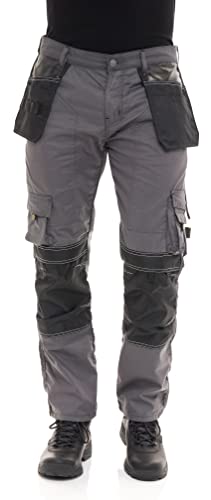
Prioritize Fabric Composition and Weight
The foundation of any utility pant is the fabric. Because these are designed for work, you should look for high-denier cotton duck or heavy-duty canvas that can withstand abrasions and snags. However, the 'fashion-forward' element often introduces technical blends. Look for fabrics that incorporate a small percentage of elastane or spandex. This provides 'mechanical stretch,' allowing you to squat, climb, or bend without the fabric binding or feeling restrictive. If your work environment is particularly hot, seek out ripstop weaves, which use a cross-hatch pattern to prevent small tears from spreading while remaining lighter and more breathable than solid heavy canvas.
Analyze the Pocket Architecture
The hallmark of utility pants is the pocket configuration, but there is a fine line between functional storage and unnecessary bulk. A high-quality pair should feature integrated tool loops or dedicated slots for calipers, pens, or mobile devices, but these should be positioned so they don't create unsightly bulges that ruin the pant's silhouette. Look for 'hidden' utility pockets—such as zippered compartments integrated into the side seam—that allow you to carry valuables securely without the tactical look becoming overwhelming. The goal is to have organized access to your gear while maintaining a streamlined profile.
Evaluate the Fit and Silhouette
This is where fashion-forward utility pants diverge from standard workwear. Traditional work pants often feature a 'relaxed fit' that can look baggy and unkempt. For a more modern look, opt for a tapered or slim-straight cut. A tapered leg ensures that the excess fabric doesn't get caught in machinery and provides a cleaner line from the hip to the ankle. Pay close attention to the rise. A mid-rise is generally the most versatile, providing enough coverage for physical labor while sitting comfortably without the waistband digging in. Ensure the seat is reinforced but not overly voluminous, as a clean seat is essential for a polished appearance.
Durability Details: Stitching and Hardware
Don't just look at the fabric. Look at how it is put together. Triple-needle stitching along the outseams and crotch is a non-negotiable requirement for longevity in a work environment. Furthermore, inspect the hardware. Zippers should be heavy-duty metal or high-grade nylon, and button closures should be reinforced with extra backing. Rivets placed at stress points, such as the corners of the pockets, are excellent indicators of a garment built to endure repetitive mechanical stress. If the hardware looks flimsy or plastic-heavy, the pants likely won't survive a season of heavy use.
Recommendation Logic
When making your final decision, categorize your primary use case. If your priority is pure aesthetics with light utility, lean toward cotton-twill blends with minimal pocketing. If you are performing heavy manual labor, prioritize high-denier canvas and reinforced knees, even if it means a slightly more rugged silhouette. The ideal 'all-rounder' will be a ripstop blend with a tapered leg and integrated, low-profile tool pockets.