Prioritize Fabric Composition and Moisture Management
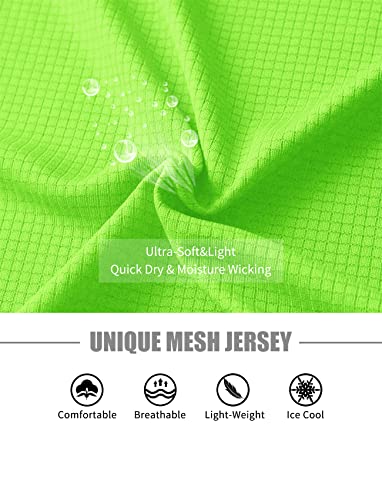
In yoga, your body temperature fluctuates rapidly. During a heated flow, you need a shirt that pulls sweat away from the skin to prevent that heavy, damp feeling that can lead to chafing. When browsing Zengjo options, look for synthetic blends—often involving polyester and elastane—that offer 'wicking' properties. Unlike natural cotton, which absorbs moisture and becomes heavy, these technical blends allow sweat to evaporate quickly. If you prefer a softer, more organic feel, look for bamboo-based blends which are naturally antimicrobial and exceptionally soft against the skin, making them ideal for longer, more meditative practices where skin sensitivity might increase.
Evaluate the Fit: Compression vs. Relaxed
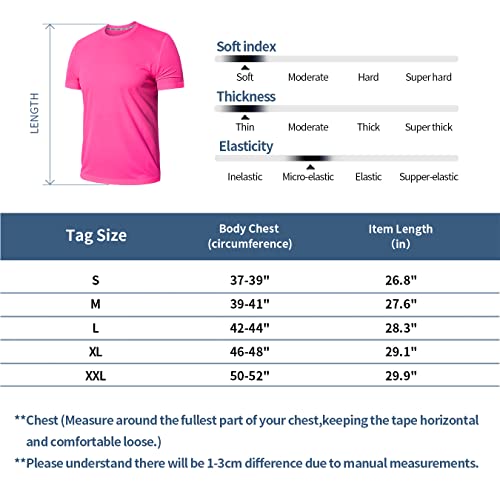
One of the most critical decision factors in yoga apparel is how the shirt interacts with your body during inversions and stretches. A shirt that is too baggy can be a nuisance. When you move into a downward dog or a headstand, excess fabric can fall over your face or get caught in your limbs. Conversely, a shirt that is too tight may restrict your breathing or feel restrictive during deep twists. Zengjo typically offers a range of fits. For a more streamlined, performance-oriented experience, opt for a 'slim fit' or 'athletic fit' that contours to your torso without pinching. For those who prefer a more traditional, airy feel, a 'relaxed fit' works well, provided the hem is long enough to ensure coverage during upward movements.
Assess Stretch and Recovery
Yoga involves extreme ranges of motion. A shirt that lacks adequate stretch will likely tear at the seams or pull uncomfortably at the armpits during lateral stretches. Look for high elastane (Spandex/Lycra) content. This provides the 'four-way stretch' necessary for seamless movement. However, don't just look at the stretch. Look at the 'recovery.' High-quality yoga shirts should snap back to their original shape after being stretched. If a shirt loses its shape after a few wears, it will quickly become baggy and lose its ability to provide a comfortable, secure fit.
Consider Design Details and Durability
Small details can make a significant difference in your long-term satisfaction. Flatlock stitching is a premium feature to look for. This type of seam lies flat against the skin, significantly reducing the risk of irritation during repetitive movements. Additionally, consider the neckline. A crew neck is standard and versatile, but some practitioners find a slight V-neck or a more open collar more comfortable for deep breathing exercises. Finally, think about the longevity of the garment. Since yoga shirts are washed frequently due to sweat, look for reinforced stitching around the armholes and neck to ensure the shirt maintains its integrity over months of regular use.
Summary Recommendation Logic
To make your final selection, follow this logic: If your practice is intense and sweaty, prioritize high-performance synthetic wicking fabrics in a slim fit. If you focus on restorative or slow-paced yoga, prioritize bamboo blends and relaxed fits for maximum comfort. Always ensure the garment features four-way stretch and flatlock seams to guarantee that your clothing supports your movement rather than hindering it.