Prioritize Interior Cushioning and Custom Fit
The most critical factor in selecting a microphone case is the internal architecture. A generic, 'one-size-fits-all' soft pouch offers almost zero protection against impact. Instead, look for cases featuring high-density EVA foam or custom-molded foam inserts. The goal is 'zero movement.' If your microphone can slide or rattle inside the case, it is not being properly protected. High-quality cases often feature laser-cut foam precisely shaped to the silhouette of the microphone, providing a snug fit that absorbs kinetic energy during drops or bumps. If you are purchasing a case for a microphone you don't own yet, ensure the interior dimensions account for the microphone's specific length and diameter, including any attached shock mounts or wind muffs.
Evaluate Shell Hardness and Impact Resistance
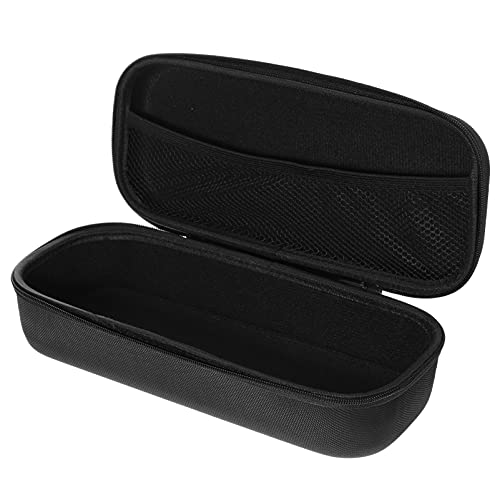
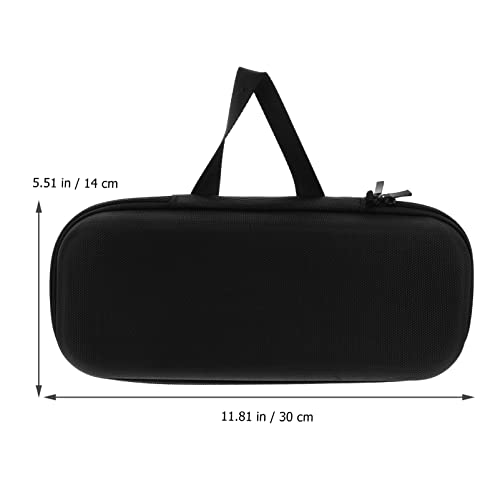
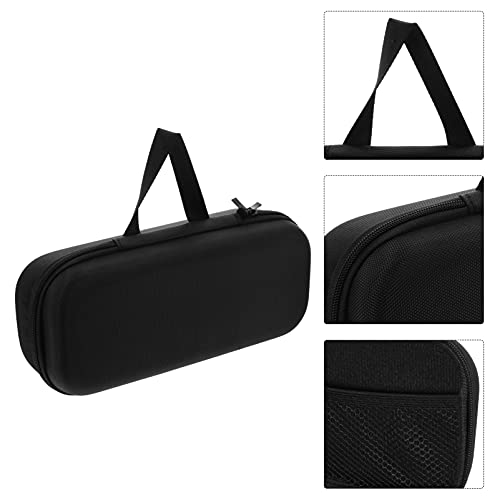
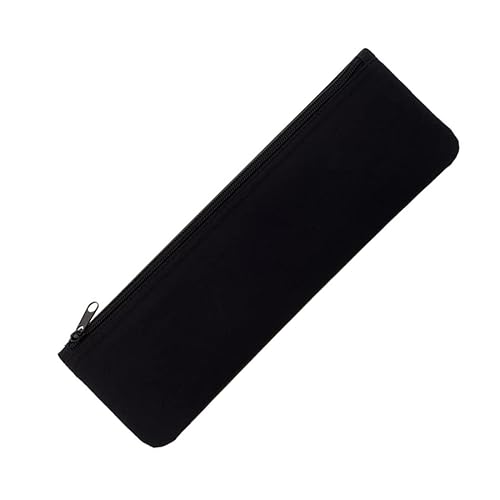
The exterior of the case acts as the first line of defense. For professional transport, a hard-shell case made from reinforced polycarbonate or ABS plastic is the gold standard. These materials are designed to resist crushing forces, making them ideal for being packed into crowded gear bags or stored in flight cases. If you prefer something more lightweight and portable, semi-rigid EVA cases offer a middle ground—they provide decent structural integrity while being easier to toss into a backpack. Avoid soft fabric cases unless they are intended only for dust protection. They offer virtually no defense against the pressure of a heavy equipment bag pressing down on your microphone's grille.
Consider Specialized Compartmentalization
A microphone rarely travels alone. To avoid scratches and accidental damage, look for cases that offer dedicated compartments for essential accessories. A truly functional case should have space for XLR cables, power adapters, clips, and perhaps a small windscreen. When reviewing a case, check if these accessories are held in place by mesh pockets or elastic straps. If the accessories are loose in the same compartment as the microphone, they can act as projectiles during transit, potentially scratching the finish or denting the grille of your microphone.
Weatherproofing and Environmental Protection
If your recording work takes you outdoors—such as field recording, journalism, or live outdoor events—weatherproofing becomes a non-negotiable requirement. Look for cases equipped with airtight, moisture-resistant zippers (often referred to as waterproof zippers) and rubberized gaskets around the perimeter of the lid. This seal prevents humidity from seeping into the case, which is vital for protecting the sensitive electronics and diaphragms of condenser microphones from moisture-induced corrosion or 'popping' sounds caused by dampness. For extreme environments, a case with a pressure equalization valve is a significant advantage, as it prevents the vacuum effect that can occur during air travel or rapid temperature changes.
Recommendation Logic: Choosing Your Tier
When making your final decision, categorize your needs into three tiers: The Studio Minimalist, The Traveling Podcaster, and The Field Professional. For the Studio Minimalist, a slim, semi-rigid EVA case is sufficient for protecting gear from dust and light bumps on a shelf. The Traveling Podcaster should opt for a hard-shell case with molded foam to ensure the microphone survives the rigors of transit and luggage handling. Finally, the Field Professional requires a heavy-duty, waterproof, hard-shell case with dedicated accessory compartments and environmental seals to withstand the unpredictable nature of outdoor recording.