Compatibility and Diameter Precision
The most fundamental factor in selecting a clip is the diameter of your microphone. Microphones are not standardized. A handheld vocal mic will have a vastly different girth than a slim instrument mic or a bulky condenser. Most clips are designed for specific ranges, typically categorized as standard, large-diaphragm, or small-diaphragm. Before purchasing, use a caliper or a ruler to measure the outer diameter of your microphone's barrel. Using a clip that is too large will result in a loose fit that allows the mic to tilt or slide, while a clip that is too small can exert excessive pressure, potentially damaging the internal components or the outer casing of the microphone.
Material Construction and Durability
Onstage environments are punishing. Equipment is frequently bumped, dropped, or subjected to heavy vibrations. When choosing a clip, prioritize build quality. High-quality clips feature reinforced plastic or, ideally, metal-reinforced housings. For heavy-duty applications, such as mounting microphones on kick drums or percussion, look for clips with metal spring mechanisms rather than plastic ones. Metal springs maintain their tension far longer and are less likely to snap under the weight of a heavy microphone or the constant vibration of the instrument being played.
Shock Absorption and Acoustic Isolation
One of the primary roles of a high-end microphone clip is to act as a buffer between the microphone and the stand. In many live settings, particularly for drummers or bassists, mechanical vibrations travel through the stand and directly into the microphone, causing low-frequency rumble or 'thumping' in the mix. Look for clips that feature integrated rubberized padding or internal shock-absorbing elements. These materials help decouple the microphone from the stand, ensuring that the only sound being captured is the intended source, rather than the vibrations of the stage or the instrument hardware.
Ease of Use and Quick Release Mechanisms
In a live performance or a fast-paced soundcheck, time is of the essence. Some clips utilize a simple squeeze-and-release mechanism, while others feature threaded collars or screw-down designs. For vocalists who frequently switch between microphones, a quick-release clip is a significant advantage. Conversely, for permanent installations or instruments that are prone to movement, a more secure, screw-tightened clip may be preferable to prevent accidental dislodgment. Consider how often you will need to swap gear and choose a mechanism that balances security with speed.
Mounting Versatility
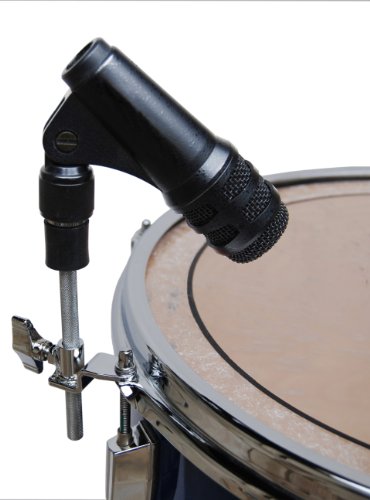
Not all clips attach to standard microphone stands. If you are looking to mount a microphone on a cymbal stand, a drum rim, or a guitar amplifier, you will need specialized mounting clips. These often feature a different base geometry, such as a clamp-style attachment rather than a standard threaded socket. Always verify the mounting interface of the clip to ensure it matches your existing hardware or the specific mounting surface required for your setup.