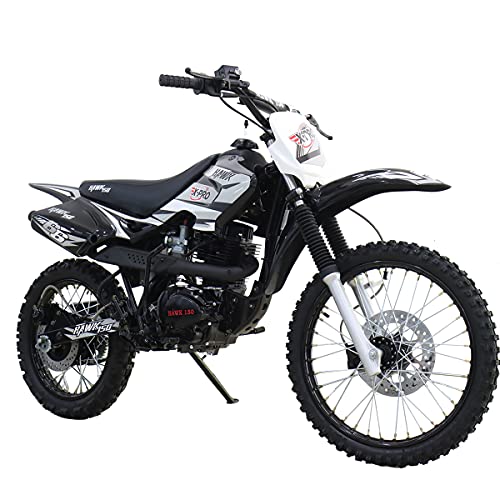
Engine Type and Power Delivery
The most critical decision in the mini bike category is the propulsion system. Traditional trailmaster-style bikes often utilize small-displacement gas engines, which offer high torque and a visceral mechanical feel. These are ideal for long-duration rides where you don't want to worry about battery depletion. However, if you prefer a quieter experience that is easier to maintain, electric motor versions are rapidly gaining ground. When choosing, consider the 'power-to-weight ratio.' A heavy frame paired with a weak motor will struggle on climbs, whereas a lightweight frame with a high-torque motor will excel in technical, twisty trails.
Frame Construction and Durability
Trail riding is punishing on equipment. You should look for frames constructed from high-tensile steel or reinforced aluminum alloys. A heavy-duty steel frame provides the vibration dampening and impact resistance needed for jumps and rocky descents, but it adds significant weight. Conversely, an aluminum frame is easier to transport and more agile, though it may require more frequent inspections for stress fractures. Pay close attention to the weld quality around the head tube and the swingarm. These are the primary stress points during aggressive trail use.
Suspension and Terrain Adaptability
A mini bike without adequate suspension is merely a motorized sled that will jar your teeth loose on a gravel path. Look for bikes equipped with front telescopic forks and, ideally, a rear mono-shock or dual-shock setup. The goal is to find a setup that offers enough travel to soak up bumps without being so soft that the bike 'bottoms out' during hard landings. If you plan on riding mostly flat, groomed paths, a rigid frame might suffice, but for true trail mastery, suspension is non-negotiable.
Braking Systems and Safety
Stopping power is often overlooked in the excitement of speed. Ensure the bike features reliable braking mechanisms, such as disc brakes, which perform significantly better in muddy or wet conditions compared to traditional rim brakes. Disc brakes provide more consistent modulation, allowing you to slow down precisely without locking up the wheels and losing traction on loose dirt. Additionally, check the availability of replacement parts for the braking system, as trail riding leads to faster wear and tear on pads and rotors.
Ergonomics and Rider Fit
Mini bikes are not one-size-fits-all. Because of their compact nature, a bike that is too small will lead to fatigue and poor control, while one that is too large will make it difficult to maneuver through tight turns. Check the seat height, handlebar reach, and footpeg positioning. A well-fitted bike allows the rider to shift their weight effectively, which is crucial for maintaining balance when navigating steep embankments or technical obstacles.