Understanding the Sensor and Image Quality
When browsing the EF-M category, your first decision point is the sensor size. Most cameras in this lineup utilize an APS-C sensor. This is a critical factor because it offers a significant jump in depth-of-field control and low-light performance compared to standard compact point-and-shoots. If you are looking to capture professional-looking portraits with creamy, blurred backgrounds (bokeh), the APS-C sensor in these mirrorless bodies is your best friend. Pay close attention to the megapixel count relative to your goals. If you intend to print large-scale physical photos, aim for higher resolution models. However, if your primary output is social media or web content, a mid-range megapixel count will suffice and often results in faster processing speeds and better high-ISO performance.
Prioritizing Autofocus and Video Capabilities
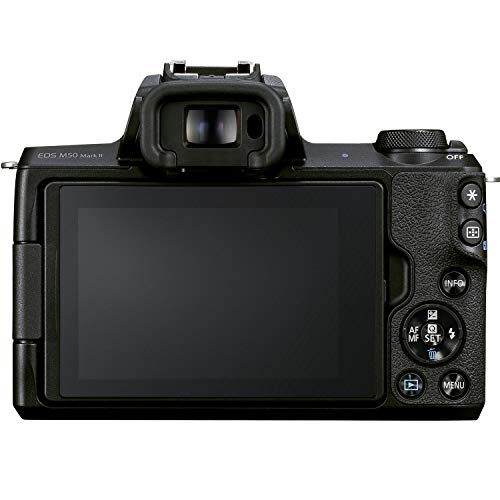
The evolution of the EF-M mount has brought significant improvements in autofocus technology. For beginners, look for models that feature Dual Pixel CMOS AF. This technology is a game-changer for video creators, as it provides smooth, continuous, and reliable eye-tracking that prevents the focus from 'hunting' while you are moving. If you plan on vlogging or filming yourself, ensure the camera has a fully articulating touchscreen. A screen that flips out to the side allows you to monitor your framing easily. Furthermore, check the video resolution capabilities. While many entry-level models offer excellent 1080p, those looking to future-proof their content should seek out models capable of 4K recording, though keep in mind that 4K often comes with a slight crop factor on these specific lenses.
Lens Ecosystem and Versatility
One of the strongest arguments for choosing an EF-M system is the specialized lens lineup. Unlike older DSLR systems that rely on heavy glass, the EF-M lenses are engineered to be lightweight and compact to match the camera bodies. When making your purchase, consider your intended subject matter. If you are a street photographer, a compact prime lens will keep your setup discreet. If you are a landscape enthusiast, you will want to ensure your chosen body can handle a wider zoom lens. Remember that because these are mirrorless, you can also use an adapter to utilize older EF-mount lenses, giving you access to decades of professional glass if you decide to expand your kit later.
Ergonomics and Build Quality
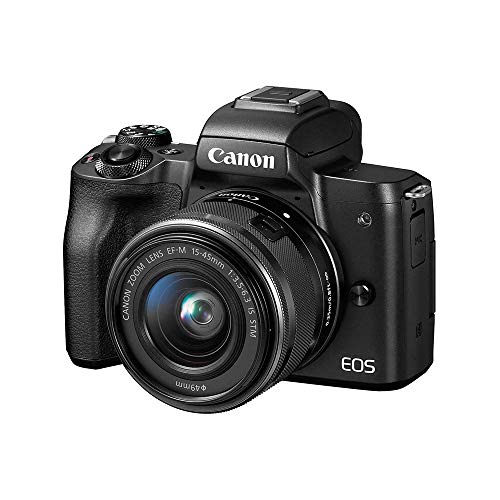
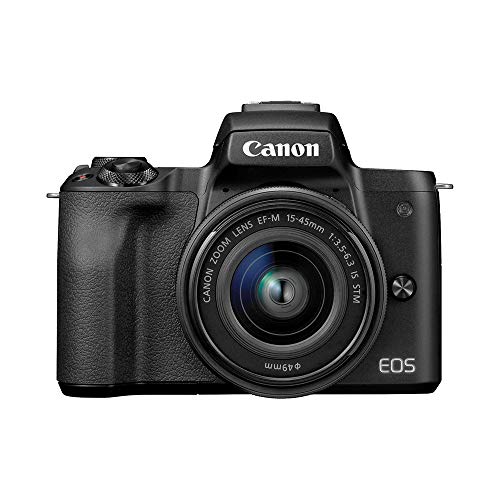
Because these cameras are designed for mobility, the physical interface varies significantly between models. Some are designed with a deep, comfortable grip for long shooting sessions, while others are ultra-slim for maximum portability. If you prefer manual control, look for cameras with dedicated dials for shutter speed or aperture. If you are a touchscreen enthusiast, ensure the interface is intuitive. Additionally, consider the battery life. Mirrorless cameras are inherently more power-hungry than DSLRs due to the constant electronic viewfinder and sensor usage. If you are planning a full day of shooting, factor in the cost of a spare battery or an external power solution.