#TOP1

Entering the world of mobile device programming requires more than just an interest in code. It demands a strategic investment in hardware and software environments that can handle the heavy lifting of compilation, emulation, and real-time testing. Whether you are aiming to build native applications for iOS and Android or exploring cross-platform frameworks like Flutter or React Native, your choice of tools will directly impact your development velocity and the stability of your builds. This guide is designed to help aspiring and professional developers navigate the complex ecosystem of mobile development tools to ensure they select equipment and software that scales with their expertise.
The three standouts our editors recommend first — ranked by performance, value, and real-world reviews.


| SELLER | SELLER SCORE | AMAZON FULFILLED | PRIME | FREE SHIPPING |
|---|---|---|---|---|
| Mostly Tomatos | 9.92 | Yes | Yes | Yes |
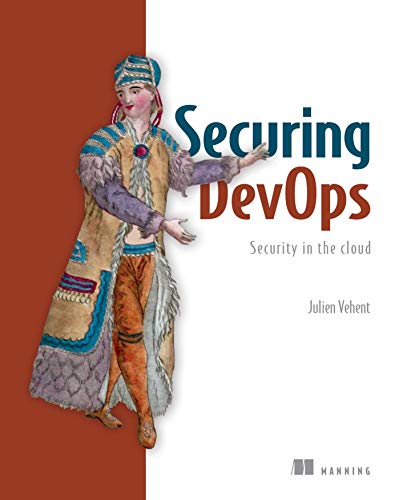

Securing DevOps: Security in the Cloud
| SELLER | SELLER SCORE | AMAZON FULFILLED | PRIME | FREE SHIPPING |
|---|---|---|---|---|
| Amazon.com | 9.68 | Yes | Yes | Yes |
The weight of a technical manual feels different when you realize it holds the keys to your entire cloud infrastructure. Securing DevOps: Security in the Cloud from Manning Publications serves as a critical roadmap for engineers navigating the complex intersection of rapid deployment and rigorous protection. Instead of treating security as a final checkbox, this guide integrates defensive strategies directly into the automated lifecycle. It is a foundational resource for anyone tasked with building resilient pipelines that don't sacrifice speed for safety. It is an essential investment for professionals looking to harden their environments against modern threats while maintaining the agility that cloud-native development demands.

| SELLER | SELLER SCORE | AMAZON FULFILLED | PRIME | FREE SHIPPING |
|---|---|---|---|---|
| Michigan treasures resale | 9.50 | Yes | Yes | Yes |

Programming the Mobile Web: Reaching Users on iPhone, Android, BlackBerry, Windows Phone, and more
| SELLER | SELLER SCORE | AMAZON FULFILLED | PRIME | FREE SHIPPING |
|---|---|---|---|---|
| Amazon.com | 9.68 | Yes | Yes | Yes |
Can a single resource truly bridge the massive gap between diverse mobile operating systems? Programming the Mobile Web by O'Reilly Media attempts exactly that, providing a deep dive into reaching users across iPhone, Android, BlackBerry, and Windows Phone platforms. While the tech landscape shifts rapidly, the foundational principles found in this text remain essential for any developer looking to understand cross-platform mobile web architecture. This specific copy is a used book in good condition, making it a much more budget-friendly way to acquire high-level technical knowledge. It is a solid, practical investment for those who want to master mobile deployment without paying premium prices for brand-new technical manuals.

Lean Mobile App Development: Apply Lean startup methodologies to develop successful iOS and Android apps
| SELLER | SELLER SCORE | AMAZON FULFILLED | PRIME | FREE SHIPPING |
|---|---|---|---|---|
| Amazon.com Services LLC | 0.00 | No | No | No |
Most developers waste months building polished features that nobody actually wants, but this ebook offers a much smarter path to success. Instead of blindly coding for months, you learn how to apply lean startup methodologies specifically to the mobile landscape. It bridges the gap between technical execution and business viability for both iOS and Android platforms. I found that the focus on iterative development helps strip away the guesswork that usually sinks new apps. At just over twenty dollars, it serves as a practical blueprint for anyone tired of the 'build it and they will come' fallacy. It is a focused resource for turning a coding project into a legitimate, market-ready product.


| SELLER | SELLER SCORE | AMAZON FULFILLED | PRIME | FREE SHIPPING |
|---|---|---|---|---|
| Amazon.com | 9.68 | Yes | Yes | Yes |

| SELLER | SELLER SCORE | AMAZON FULFILLED | PRIME | FREE SHIPPING |
|---|---|---|---|---|
| Amazon.com | 9.68 | Yes | Yes | Yes |

The first decision in mobile programming is determining your primary target ecosystem. If your goal is to master iOS development, you are essentially tethered to the Apple ecosystem. Developing for iPhone and iPad requires specific operating systems and integrated development environments (IDEs) that are exclusive to certain hardware. Conversely, if you want to reach the widest possible audience with a single codebase, you will likely focus on cross-platform frameworks. When choosing tools, consider if you need a setup that supports multiple operating systems simultaneously, as this will dictate the processing power and memory requirements of your workstation.
Mobile programming is resource-intensive. Unlike web development, mobile development often requires running heavy IDEs alongside mobile emulators or simulators. An emulator mimics a physical device on your screen, consuming significant amounts of RAM and CPU cycles. For a smooth experience, prioritize machines with high-performance multi-core processors and, most importantly, a minimum of 16GB of RAM. Anything less will result in frustrating lag when switching between your code editor and the device emulator. Furthermore, fast SSD storage is non-negotiable. The time spent waiting for project indexing and build processes can be drastically reduced with high-speed read/write capabilities.
While emulators are excellent for rapid prototyping and testing UI layouts, they cannot perfectly replicate the nuances of physical hardware. A professional mobile programming setup should eventually include physical testing devices. Look for devices that represent a range of screen sizes, aspect ratios, and OS versions. Testing on a physical Android device will reveal how your app handles hardware-specific sensors like accelerometers or GPS, which emulators sometimes struggle to simulate accurately. If you are a professional, investing in a diverse fleet of test devices is just as important as the computer you write the code on.
Your choice of Integrated Development Environment (IDE) will be your primary interface with your code. For Android development, the industry standard is deeply integrated with Google's ecosystem, offering robust debugging tools and layout editors. For iOS, the specialized environment provided by Apple is the gold standard. When evaluating software suites, look for deep integration with version control systems, advanced debugging capabilities, and a rich library of third-party plugins. The ability to quickly inspect memory usage and network calls within your IDE is a critical factor in maintaining high-performance mobile applications.
Quick answers about Mobile Device Programming before you buy.
Share of top-ranked products by brand, from our editorial analysis.
We've carried out a comprehensive analysis of 17 reviews on Mobile Device Programming, using our selection criteria to identify the best options in the categories. Our findings reveal that most customers typically select Mobile Device Programming priced around $14.92.
Our team of expert editors reviewed these high-quality items and handpicked the top 7 Mobile Device Programming for your consideration..
We are dedicated to assisting our users in finding the right asins Products based on their needs, saving them considerable time when choosing which Mobile Device Programming to buy. We take pride in the number of satisfied users we've helped through our thorough and insightful reviews.
Compare the top 7 picks at a glance — select a column to sort.


