Prioritize the Base Oil Quality
The most critical decision factor is the type of oil used as the primary ingredient. Not all oils are created equal when it comes to biocompatibility and ease of absorption. Look for natural, food-grade oils such as sesame oil, coconut oil, or olive oil. Sesame oil is a frequent gold standard in many high-quality formulations because of its excellent viscosity and ability to stay in place without being overly greasy. Avoid products that use heavy mineral oils if you have sensitive membranes, as these can sometimes feel 'clogging' or difficult to clear. The goal is to find a carrier oil that mimics the natural sebum produced by your body, providing a seamless protective barrier.
Consider the Delivery Mechanism
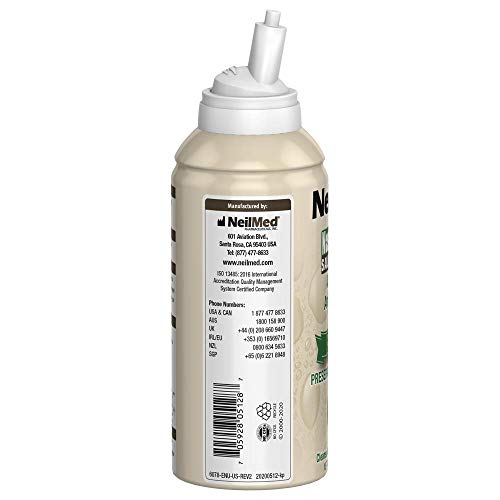
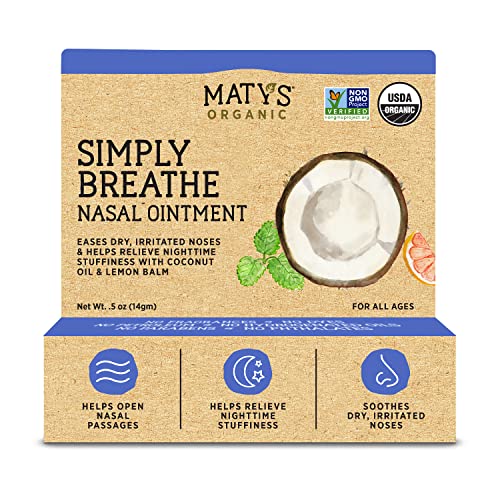
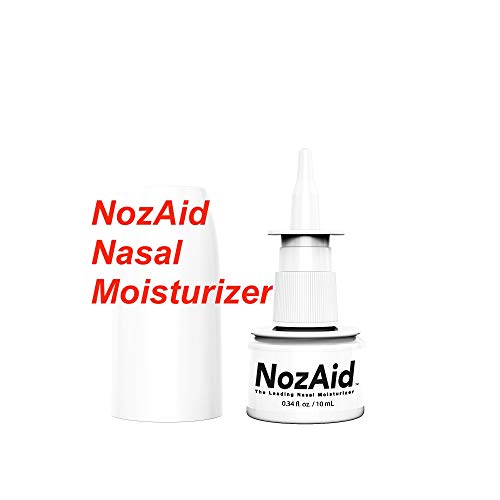
How the oil is dispensed significantly impacts your comfort and the effectiveness of the treatment. There are generally two types of delivery systems: fine mists and gel-based sprays. Fine mist sprays are ideal for general maintenance and preventing dryness throughout the day, as they distribute a thin, even layer across the entire nasal cavity. However, if you are dealing with acute irritation or visible micro-cracks in the nasal lining, a thicker, more viscous spray or a gel-like formulation may be more beneficial. These heavier textures cling to the tissue longer, providing extended relief during sleep or long flights. Ensure the spray nozzle is designed to prevent clogging, as thick oils can sometimes harden in the tip of the applicator.
Check for Additives and Preservatives
When your nasal passages are irritated, they are hyper-sensitive to chemical additives. A high-quality moisturizing spray should ideally be free from harsh preservatives, artificial fragrances, and strong scents. Some advanced formulations include soothing secondary ingredients like Vitamin E (tocopherol) or aloe vera to assist in tissue repair. However, be cautious of sprays that include decongestants. While they might offer temporary relief from stuffiness, they can actually exacerbate dryness in the long run. Stick to pure, single-ingredient or minimally supplemented oils to minimize the risk of a secondary inflammatory reaction.
Match the Product to Your Environment
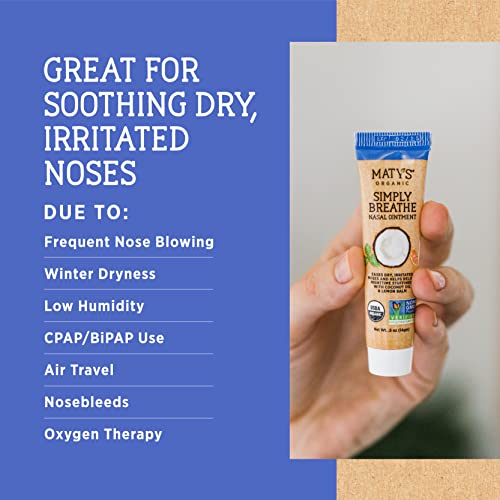
Your buying logic should be driven by your specific lifestyle needs. If you are a frequent traveler, look for portable, travel-sized mist sprays that can be used mid-flight to combat recycled cabin air. If you live in an arid climate or use indoor heating heavily during the winter, you may benefit from a more intensive, thicker oil that provides a heavy-duty moisture seal. For those using nasal sprays for allergy management, ensure the oil you choose does not interfere with your ability to breathe clearly, as some very thick oils can create a sensation of heaviness in the nose.
Summary of Recommendation Logic
When making your final selection, follow this hierarchy: First, ensure the oil is natural and high-purity. Second, select the viscosity based on whether you need light daily maintenance (mist) or intense repair (viscous/gel). Third, audit the ingredient list to ensure no irritants or unnecessary fragrances are present. By following this framework, you can transition from temporary relief to long-term nasal health and comfort.