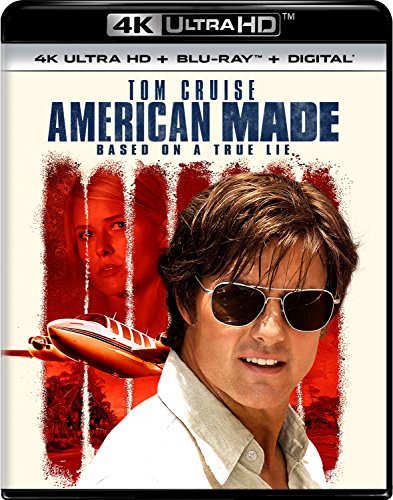
The first decision in any film purchase is the medium. If you are a cinephile concerned with bitrates and visual fidelity, physical media remains the gold standard. High-definition discs offer significantly higher data rates than streaming, meaning fewer compression artifacts in dark scenes and more accurate color grading. Blu-ray is the standard for high definition, while 4K Ultra HD is the pinnacle for those with compatible displays, offering HDR (High Dynamic Range) that makes colors pop and shadows feel deep. Conversely, if convenience and space-saving are your priorities, digital licenses offer instant access, though you must accept that you are often 'renting' access rather than truly owning the file in the way you own a disc.
Evaluate Technical Specifications and Restoration Quality
Not all versions of a film are created equal. When looking at a specific release, investigate whether it is a 'restored' edition. For older films, a high-quality restoration can mean the difference between a grainy, washed-out mess and a crisp, vibrant experience that looks as it did in the theater. Look for mentions of new scans from original camera negatives. Additionally, pay attention to audio formats. A film with a stellar visual presentation can be ruined by poor sound. If you have a surround sound setup, prioritize releases that offer Dolby Atmos or DTS:X to ensure the auditory landscape is as immersive as the visuals.
Consider the 'Boutique' vs. 'Mass Market' Factor
When building a collection, it is helpful to understand the distinction between standard studio releases and boutique labels. Mass-market releases are often designed for the casual viewer, focusing on the movie itself. Boutique labels, however, treat films as art. They often include extensive supplemental material, such as director commentaries, behind-the-scenes documentaries, and essay booklets. If you enjoy deep-diving into the craft of filmmaking, investing in boutique editions can turn a simple movie night into an educational experience. These editions are often more expensive, but the added value in scholarly context and packaging is significant.
Analyze Genre and Longevity
To avoid 'buyer's remorse,' categorize your interests before purchasing. Are you building a collection of reliable comfort movies, or are you looking for challenging, avant-garde cinema? A well-rounded collection often balances 'tentpole' films—the big, high-budget spectacles—with niche genre films like noir, horror, or foreign cinema. Before committing to a purchase, check critical consensus and, more importantly, audience longevity. Some films are 'of their time' and lose their luster quickly, while true classics maintain their relevance through masterful storytelling and technical innovation. Aim for films that offer replay value; if a movie is only worth watching once, it may not be a wise investment for a permanent collection.
Check for Special Features and Extras
The true value of a film purchase often lies in what happens after the credits roll. Always check the feature list for 'extras.' A film with a meaningful commentary track allows you to hear the director's intent, while deleted scenes can provide vital context to the narrative. For collectors, look for physical goods like slipcovers or steelbooks, which add aesthetic value to your display. If you are buying digitally, ensure the platform supports the inclusion of these extras, as many digital versions are stripped down to just the feature film to save space.