Understanding Connector Standards and Compatibility
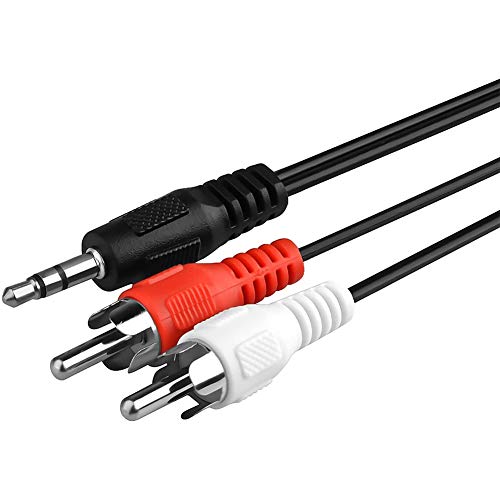
The first step in selecting a component cable is identifying the specific physical interface of your player. Unlike generic consumer electronics, high-end MP3 players and DAPs often utilize specialized outputs. You must distinguish between standard 3.5mm unbalanced outputs and the increasingly popular 2.5mm or 4.4mm balanced outputs. Balanced connections are highly sought after in the component world because they utilize a differential signaling method that significantly reduces electromagnetic interference and increases power output. Before purchasing, verify if your player supports balanced circuitry. A standard cable plugged into a balanced port will not yield the intended benefits of noise rejection and improved channel separation.
Material Composition and Conductivity
The metallurgy of the conductor is a primary driver of sonic character. High-purity copper, such as Oxygen-Free Copper (OFC) or Single-Crystal Copper (OCC), is the industry standard for providing a smooth, warm, and natural timbre. OCC copper, in particular, is prized for its continuous crystal structure, which minimizes grain boundaries that can cause signal distortion. For those seeking increased clarity, brightness, and a wider soundstage, silver-plated copper or pure silver conductors are excellent choices. Silver tends to offer faster transient response, making it ideal for high-resolution files where micro-details are paramount. However, be aware that silver can sometimes introduce a 'clinical' or overly bright profile if not matched correctly with your headphones or speakers.
Shielding and Interference Mitigation
Because portable players are often used in environments filled with wireless signals—Bluetooth, Wi-Fi, and cellular data—shielding is non-negotiable. A component-grade cable must feature robust shielding to prevent 'hum' or 'hiss' from leaking into the audio path. Look for cables that utilize braided shielding or foil layers wrapped around the internal conductors. This is especially critical if you are using a short cable to connect a player to a portable DAC/Amp combo, where the proximity of components can lead to significant crosstalk and electromagnetic interference (EMI).
Build Quality and Ergonomics
Since many component cables for MP3 players are intended for mobile use, durability is just as important as electrical performance. A cable that is too stiff will create 'microphonics'—the audible sound of the cable rubbing against clothing—which can be incredibly distracting during critical listening. Look for cables with high-quality braided jackets (such as nylon or PET) that offer flexibility without sacrificing strength. Additionally, inspect the strain relief at the connector junctions. High-quality components use reinforced housing to prevent the internal wiring from fraying due to repeated bending during transport.
Recommendation Logic
When making your final selection, follow this hierarchy: First, ensure the connector matches your player's output (Unbalanced vs. Balanced). Second, match the conductor material to your sonic preference (Copper for warmth, Silver for detail). Third, prioritize shielding if you listen in electronically noisy environments. Finally, choose a cable with a flexible jacket to ensure the physical movement of the cable does not interfere with the audio signal through microphonic noise.