Material Composition and Protection Levels
The first decision you must make is determining the level of protection required for your specific usage patterns. Protection generally falls into three categories: slim-fit, medium-duty, and heavy-duty.
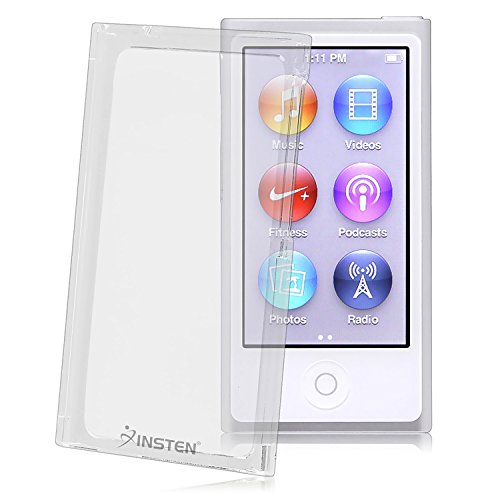
Silicone and TPU (Thermoplastic Polyurethane): These are the most common choices for users who want to maintain the slim profile of their device. Silicone is soft, grippy, and excellent at absorbing minor vibrations, making it ideal for preventing the device from sliding off a desk or out of a pocket. TPU is slightly more rigid than silicone, offering better impact resistance while remaining flexible. These materials are best for everyday indoor use or light commuting.
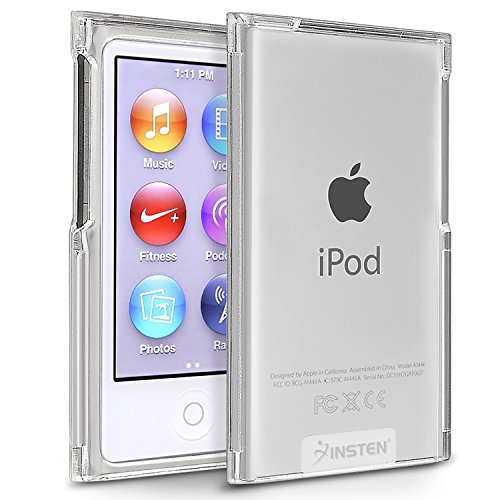
Hard Plastic and Polycarbonate: If your primary concern is preventing surface scratches from keys or coins in a bag, a hard shell is the way to go. These covers provide a rigid barrier that maintains the device's shape, though they may offer less 'shock absorption' than softer materials during a high-velocity drop.
Rugged Hybrid Cases: These often combine a soft inner layer with a hard outer shell. This is the gold standard for outdoor enthusiasts or travelers who might be using their player in unpredictable environments.
Precision Cutouts and Interface Accessibility
A common pitfall when buying generic covers is sacrificing functionality for protection. A cover is useless if it prevents you from actually using the device. When evaluating a cover, look closely at the placement of the cutouts.
You must ensure that the cutouts for the volume rockers, play/pause buttons, and power switches are sufficiently large. Some overly tight covers require significant force to press the buttons, which can lead to fatigue or even damage to the internal switches over time. Furthermore, check the access to the charging port and the headphone jack. A high-quality cover should allow you to plug in your charging cable or high-end wired headphones without having to remove the case entirely. If you use a specific type of thick auxiliary cable, ensure the cutout is wide enough to accommodate the connector housing.
MP3 players are prized for their portability. When selecting a cover, consider how it changes the 'hand feel' and the dimensions of your device. A rugged, thick case might protect the device from a fall, but it might also make the player too bulky to fit into the small coin pocket of your jeans.
If you use a clip-on MP3 player, ensure the cover does not interfere with the clip mechanism. If you carry your player in a dedicated pouch, a slimmer silicone skin is usually preferable. Conversely, if you carry your player loosely in a backpack, a more substantial, textured case will prevent it from getting lost among other items and provide a much-needed buffer against crushing forces.
Texture and Grip
Finally, consider the tactile experience. Many premium audio players have smooth, slippery finishes. A cover with a matte or textured finish can significantly improve your grip, reducing the likelihood of accidental drops in the first place. Be wary of extremely glossy plastic covers, as these can become slippery when your hands are sweaty or when using the device in humid environments.