Understanding Tread Architecture and Void Ratio
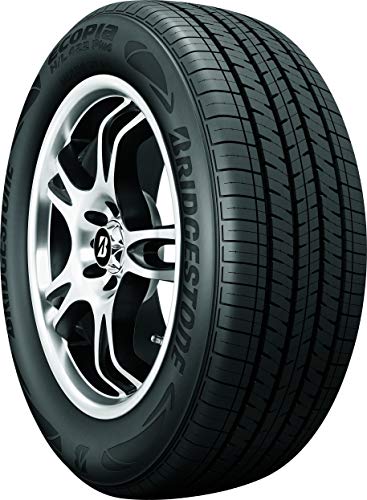
The defining characteristic of a true mud terrain tire is its aggressive tread pattern. Unlike all-terrain tires, which feature smaller, more frequent tread blocks, mud terrains utilize large, widely spaced lugs. This high 'void ratio' is critical. As the tire rotates through mud, the large gaps between the blocks allow the tire to 'self-clean.' This means the mud is ejected from the tread rather than getting trapped, which would effectively turn your tire into a smooth, slick surface. When shopping, look for deep tread depth and substantial shoulder lugs that wrap around the sidewall, providing extra bite when you are aired down for technical rock crawling or deep silt.
Sidewall Strength and Puncture Resistance
In the mud, the terrain is rarely just soft earth. You are often contending with sharp rocks, fallen branches, and hidden debris. Therefore, sidewall integrity is just as important as the tread pattern. Look for tires with reinforced sidewalls or multiple plies of construction. A robust sidewall serves two purposes: it prevents punctures from jagged obstacles and provides lateral stability when the tire is running at lower pressures. Many enthusiasts prefer tires that offer high load ratings, as this often correlates with a more durable carcass capable of handling the stresses of off-road impact.
It is vital to manage your expectations regarding drivability. There is an inherent trade-off in mud terrain design. The same aggressive lugs that pull you out of a swamp will create significant vibration and 'humming' noise on the highway. Furthermore, because the contact patch is less continuous than an all-terrain tire, braking distances on wet asphalt can increase. If your vehicle is a dedicated trail rig that rarely sees pavement, prioritize maximum aggression. However, if your vehicle is a daily driver that occasionally heads to the trails, look for 'hybrid' mud terrains that attempt to balance aggressive tread blocks with more stable center ribs to improve highway manners.
Tire Construction: Radial vs. Bias-Ply
While most modern consumer vehicles utilize radial construction for better fuel economy and a smoother ride, some extreme off-road applications still look toward bias-ply designs. Radial tires offer more flexibility and better heat dissipation, making them superior for high-speed desert running and general longevity. Bias-ply tires, conversely, often feature stiffer sidewalls that can be more resistant to certain types of impact, though they tend to run hotter and offer a much rougher ride on the street. For 90% of off-road enthusiasts, a high-quality radial mud terrain provides the best balance of durability and usability.
Final Decision Logic
To make your final selection, categorize your driving habits. If you are a 'rock crawler' or 'mud bogger,' prioritize maximum lug depth and sidewall thickness. If you are an 'overlander' who traverses dirt roads and occasional mud patches, a more moderate mud terrain with better road manners will serve you better. Always check the load and speed ratings to ensure the tire matches your vehicle's weight and intended use case.