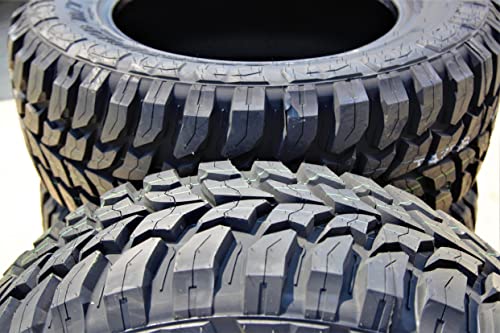
Understanding Tread Pattern and Self-Cleaning Ability
The most defining characteristic of a true mud terrain tire is its aggressive tread pattern. Unlike all-terrain tires that feature smaller, tighter blocks, mud terrains utilize large, widely spaced lugs. This spacing is critical for 'self-cleaning.' As the tire rotates, the centrifugal force should eject mud and debris from the voids between the lugs. If the tread pattern is too tight, the gaps will quickly fill with sludge, essentially turning your high-performance tire into a smooth, slick surface with zero traction. When evaluating a tire, look for deep grooves and high-void ratios that promise to shed material rapidly under rotation.
Sidewall Strength and Puncture Resistance
In mud and rock crawling, the sidewall is just as important as the contact patch. Mud terrain tires are frequently subjected to lateral stresses and sharp debris that can easily slice through thinner rubber. Look for tires with reinforced sidewalls and heavy-duty construction. A thicker, multi-ply sidewall provides two main benefits: it resists punctures from sharp rocks hidden in the mud, and it offers better stability when running lower air pressures. Running low PSI is a common tactic to increase the footprint of the tire for better flotation in soft mud, but this puts immense strain on the sidewall. Ensure your chosen tire is built to handle these pressure fluctuations without collapsing or risking a bead breach.
Rubber Compound: Grip vs. Longevity
The chemical makeup of the rubber determines how the tire interacts with the ground. There is a constant trade-off between 'sticky' compounds and durable compounds. Soft, high-grip compounds are incredible for technical rock crawling and grabbing onto wet, slippery surfaces, but they tend to wear down much faster, especially if you spend time on paved roads. Conversely, harder compounds offer much better longevity and heat resistance but may feel 'skittish' on slick surfaces. If your excursions are 90% trail and 10% highway, prioritize a softer, more aggressive compound. If you frequently drive between trailheads on asphalt, look for a compound designed to balance tread life with off-road bite.
Load Index and Vehicle Weight
Because mud terrain tires are often used on heavier, modified off-road vehicles, you must pay close attention to the load index. A tire that is too small for your vehicle's weight will suffer from excessive sidewall flex, leading to overheating and premature failure. Ensure the tire's load rating matches or exceeds your vehicle's gross weight, especially if you have added heavy aftermarket bumpers, winches, or armor. A tire that cannot support the weight of your rig will fail to maintain a consistent contact patch, negating the benefits of the aggressive tread pattern.
Noise and On-Road Manners
It is important to manage expectations: mud terrain tires are notoriously loud on pavement. The large tread blocks create significant vibration and a constant humming noise at highway speeds. If your vehicle is a dedicated trail rig, this is a negligible factor. However, if you use your vehicle for daily commuting, you should look for tires that feature 'variable pitch' tread blocks. These are designed to break up the sound waves created by the lugs, providing a slightly quieter and smoother experience on the road without sacrificing the aggressive biting edges needed for the mud.