Understanding Tread Architecture and Self-Cleaning Properties
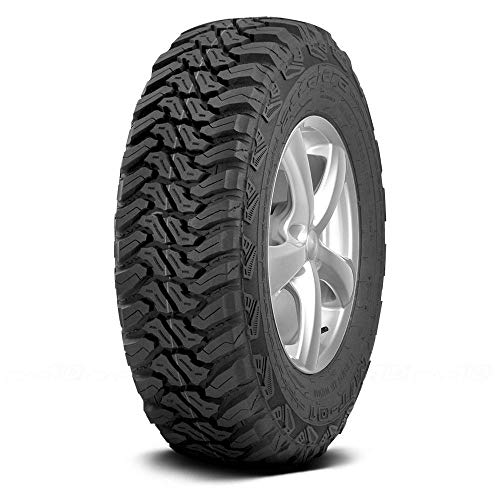
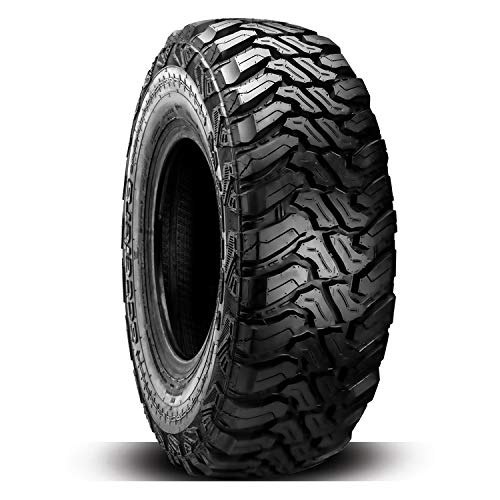
The most defining characteristic of a mud terrain tire is its tread pattern. You should look for large, widely spaced lugs designed to act like paddles in soft soil. The 'void ratio'—the amount of space between the tread blocks—is critical. If the gaps are too small, mud will pack into the grooves, turning your tire into a slick, smooth surface that loses all traction. High-quality mud terrains feature 'self-cleaning' technology, where the geometry of the tread is designed to eject debris as the tire rotates. When shopping, inspect the shoulder lugs. These should extend down the sidewall to provide lateral grip when navigating deep ruts or climbing steep, slippery embankments.
Sidewall Strength and Puncture Resistance
In mud and rock crawling, the sidewall is just as important as the tread. Mud terrain tires are frequently subjected to sharp rocks and abrasive debris that can easily slice through thinner rubber. Look for tires with reinforced sidewall constructions, often categorized by higher ply ratings or specialized rubber compounds in the side profile. A robust sidewall doesn't just prevent punctures. It also allows you to 'air down' more effectively. Lowering your tire pressure increases the footprint (the contact patch) of the tire, providing better flotation over soft mud, but this requires a stiff enough sidewall to prevent the tire from unseating from the rim.
The On-Road Compromise: Noise and Handling
It is vital to manage your expectations regarding daily driving. Because mud terrain tires have massive tread blocks and deep voids, they are inherently louder than other tire types. You will likely experience increased 'road hum' or vibration at highway speeds. Furthermore, the large tread blocks can lead to a slightly less precise steering feel on pavement. If your vehicle is a dedicated weekend crawler, prioritize maximum aggression. However, if you use your rig for daily commuting, look for 'hybrid' mud terrains that feature more closed shoulder blocks to reduce noise and improve stability on asphalt.
Compound Density and Longevity
The rubber compound used in mud terrain tires plays a dual role. A softer compound provides superior grip on wet rocks and slick surfaces but tends to wear down much faster on hot pavement. A harder compound will last significantly more miles but may feel 'skittish' or less grippy in technical, low-traction scenarios. When making your decision, consider your primary environment: if you spend 80% of your time on the highway and 20% in the mud, a medium-density compound is the sweet spot. If you are heading into a remote wilderness area for a week-long expedition, prioritize the grip of a softer, more aggressive compound.
Summary Recommendation Logic
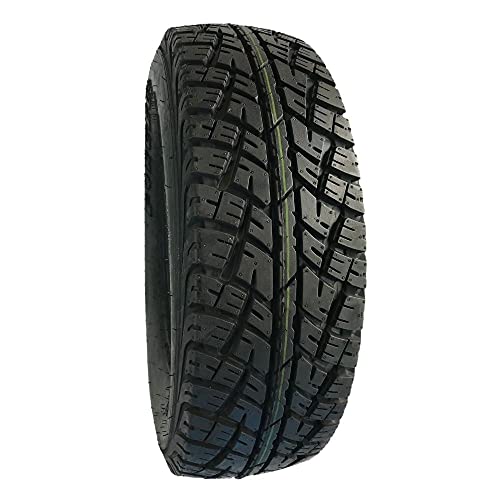
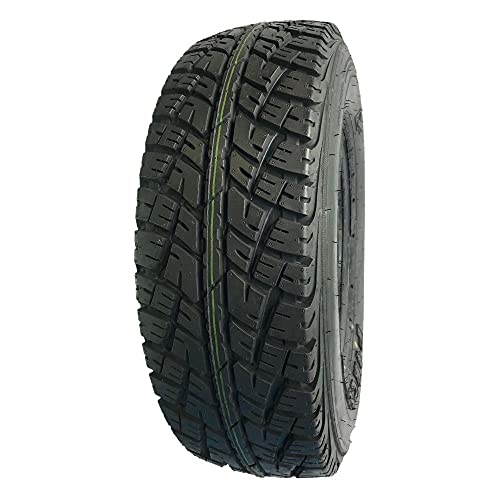
To make the final call, follow this logic: If your goal is maximum rock crawling and extreme mud bogging, prioritize deep voids, wrap-around shoulder lugs, and high ply-ratings. If you need a versatile rig that can handle trails but still drive to work, look for a tire with a more controlled tread pattern and a compound that balances durability with grip. Always check the load index to ensure the tire can handle the weight of your specific vehicle, especially if you have added heavy aftermarket bumpers or winches.