Understanding the Enzyme Spectrum
The most critical factor when selecting a multi-enzyme supplement is the diversity of the enzyme profile. Enzymes are highly specialized. An enzyme that breaks down protein will do nothing for a carbohydrate-induced bloat. To ensure comprehensive support, look for a formula that includes a balanced blend of the following categories:
- Proteases: Essential for breaking down proteins into amino acids.
- Amylases: Necessary for converting complex carbohydrates and starches into simple sugars.
- Lipases: Critical for the digestion of dietary fats and lipids.
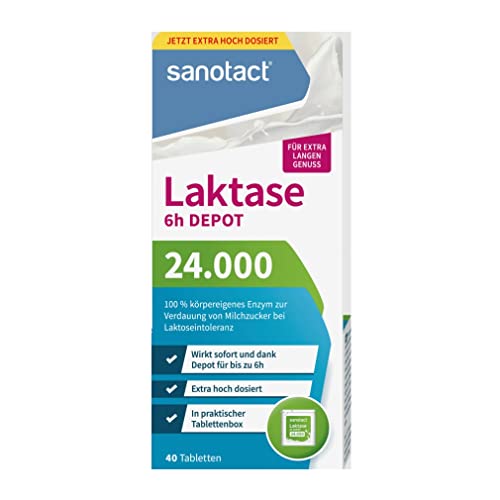
- Lactase: Specifically helpful for those with sensitivities to dairy products.
- Cellulase: Assists in breaking down plant-based fibers, which can be difficult for some individuals to process.
A high-quality 'box' or multi-pack of enzymes should offer a broad spectrum that covers all these bases to prevent 'digestive gaps' where one macronutrient remains undigested while others are processed.
Potency and Measurement Units
When comparing supplements, you will notice different measurement systems. Some brands use milligrams (mg), while others use specialized units like DU (Dynamic Units), HUT (Heat Units), or FCC (Food Chemical Codex) units. For enzymes, the weight in milligrams is often less important than the enzymatic activity level. A 500mg capsule with low activity may be less effective than a 100mg capsule with high activity. Always check the label for these activity units to ensure you are getting a potent dose capable of handling a heavy meal.
Enteric Coating and Stability
Enzymes are proteins, which means they are highly susceptible to being broken down by stomach acid before they ever reach the small intestine—where they are actually needed. When shopping, prioritize products that feature 'enteric coating' or 'delayed-release' technology. This ensures the capsules bypass the harsh acidic environment of the stomach and dissolve in the more alkaline environment of the duodenum. Without this protection, much of the supplement's value is lost to gastric acid.
Ingredient Purity and Sourcing
Since these supplements are intended for long-term digestive health, the source of the enzymes matters. Many enzymes are derived from microbial fermentation (such as Aspergillus oryzae), which is generally considered safe and highly effective. Look for brands that emphasize non-GMO ingredients and avoid unnecessary fillers like magnesium stearate or artificial colors. Furthermore, ensure the product is manufactured in a facility that follows Good Manufacturing Practices (GMP) to guarantee that the potency listed on the label matches what is actually inside the capsule.
Tailoring to Your Specific Needs
Your decision logic should be driven by your primary symptom. If your main issue is bloating after eating bread or pasta, prioritize a formula with high amylase content. If you struggle with heavy, fatty meals, look for a supplement with a higher concentration of lipase. For those with general digestive sluggishness, a broad-spectrum multi-enzyme is the best starting point. Some premium selections even include digestive co-factors like bile salts or probiotics to create a synergistic effect for gut health.