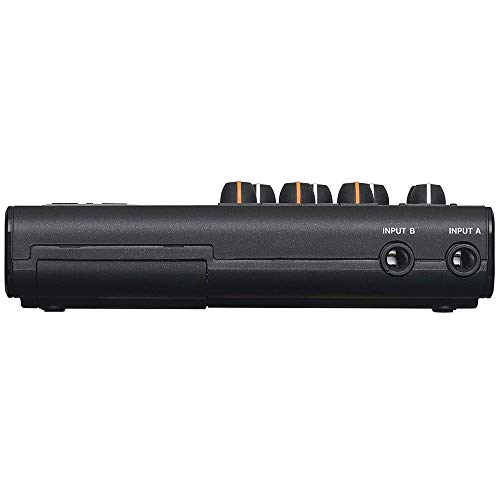
The most fundamental decision in selecting a multitrack recorder is deciding how many simultaneous inputs you need to manage. A simple two-track recorder is sufficient for field recording ambient sounds, but a true multitrack unit should offer enough inputs to accommodate your specific workflow. For solo singer-songwriters, a four-track unit with high-quality preamps might suffice. However, if you intend to record a full band, you will need a unit that offers at least eight to twelve discrete XLR inputs. Pay close attention to the distinction between 'combo' inputs (which accept both XLR and 1/4-inch jacks) and dedicated mic/line inputs. Furthermore, consider the phantom power requirements. If you use multiple condenser microphones, ensure the device can provide reliable +48V power across all necessary channels simultaneously without voltage drops.
Preamp Quality and Dynamic Range
The 'soul' of a multitrack recorder lies in its preamps. Since these devices are often used in uncontrolled environments, the ability to boost quiet signals without introducing significant self-noise or 'hiss' is critical. When comparing models, look for specifications regarding the Equivalent Input Noise (EIN). A lower EIN indicates a cleaner, more professional preamp. Additionally, consider the dynamic range of the converters. High-resolution recording (24-bit or 32-bit float) is becoming the industry standard because it provides a massive amount of headroom, making it much harder to accidentally clip your signals. If you are a beginner, 32-bit float technology is a game-changer, as it virtually eliminates the risk of digital distortion from sudden volume spikes.
Multitrack recording generates massive amounts of data very quickly. Because you are writing multiple streams of high-resolution audio to a single medium, the speed and reliability of your storage are paramount. Most modern recorders utilize SD cards, but not all cards are created equal. Ensure your recorder is compatible with high-speed UHS-I or UHS-II cards to prevent buffer underruns, which can cause audible pops or even file corruption. Beyond the hardware, consider how you will get your files into a Digital Audio Workstation (DAW). Look for units that offer seamless USB connectivity, allowing the recorder to function as an audio interface. This 'hybrid' capability ensures that your investment serves you both as a standalone field unit and a studio centerpiece.
Portability vs. Connectivity
Finally, weigh the trade-off between mobility and expandability. If your primary use case is capturing live performances on the go, prioritize battery life and rugged chassis construction. A unit that requires a constant AC power supply will limit your creative freedom. Conversely, if the recorder is intended for a semi-permanent studio setup, prioritize connectivity options like MIDI I/O for syncing with external gear, or ADAT expansion ports that allow you to add more inputs via external preamps. A well-chosen multitrack recorder should feel like an extension of your creative process, providing the reliability to capture the moment exactly as it sounds.