PickSmartly Review

Best Music Of Ghana in 2026

5.2 PM Score
Products Evaluated
1
Reviews Analyzed
7
Brands Ranked
1
We independently evaluate all recommended products and services. If you click on links we provide, we may receive compensation.

Exploring the music of Ghana is not merely a journey through melody and rhythm, but a deep dive into the social, spiritual, and historical fabric of West Africa. From the complex polyrhythms of the Ewe people to the highlife grooves that defined mid-century urban life, Ghanaian music serves as a living archive. For ethnomusicologists, collectors, and serious students of global sound, finding the right resources requires moving beyond casual playlists and looking for works that offer structural, cultural, and contextual depth. Whether you are seeking field recordings, scholarly analyses, or historical compilations, understanding the nuances of the genre is essential to making an informed acquisition.

#1

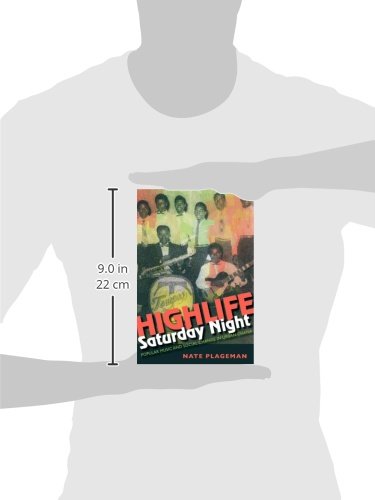
Highlife Saturday Night: Popular Music and Social Change in Urban Ghana (African Expressive Cultures)

Highlife Saturday Night by Indiana University Press

INDIANA UNIVERSITY PRESS 0253007291_USED 6.00 X 0.70 X 9.00 Inches 1.00 Pounds
SELLER SELLER SCORE AMAZON FULFILLED PRIME FREE SHIPPING
Universal R Us 6.66 Yes Yes Yes

Ethnomusicologists and students of West African history will find this text absolutely indispensable for understanding the heartbeat of Ghanaian urban life. Highlife Saturday Night dives deep into how popular music serves as much more than just entertainment. It acts as a vital engine for social change. Instead of a dry academic lecture, the writing captures the rhythmic essence of how music shapes identity and community within urban settings. It is a rare find that manages to bridge the gap between scholarly rigor and the vibrant, lived experience of the culture it studies. If you want to grasp the intersection of melody and social movement in Ghana, this is the definitive resource to add to your library.

What We Like
Urban music history
Social change focus
Ghanaian culture study
Academic scholarly text
Buying Guide

A Guide to Selecting the Best music of ghana

A Guide to Selecting the Best music of ghana

Defining Your Research Scope

The first step in selecting ethnomusicological materials regarding Ghana is determining whether you are looking for primary source audio or secondary analytical texts. If your goal is to study rhythmic structures, look for high-fidelity field recordings that capture the nuances of percussion, such as the talking drum (Atumpan) or the bell patterns (Gankogui) that anchor traditional ensembles. If you are interested in the sociological impact of music, prioritize texts that examine the intersection of music and politics, such as the role of Highlife in post-independence identity or the ceremonial functions of Agbadza music. Distinguishing between 'performance' and 'context' will dictate whether you need a studio recording or a documented ritual performance.

Evaluating Rhythmic and Structural Authenticity

Ghanaian music is characterized by intricate polyrhythms and call-and-response patterns. When evaluating recordings, pay close attention to the clarity of the percussion. In many Ghanaian traditions, the rhythm is not just accompaniment. It is a language. High-quality ethnomusicological resources will provide a clear separation of instruments, allowing the listener to discern the relationship between the lead drum and the supporting ensemble. For scholars, look for materials that include transcriptions or detailed rhythmic notation. This is particularly important when studying the complex time signatures used in traditional Akan or Ga music, where a single 'beat' often contains multiple layers of subdivision.

Contextual and Cultural Integrity

A common pitfall in purchasing music from West Africa is acquiring 'world music' compilations that strip the songs of their specific tribal or regional origins. To ensure academic and cultural value, seek out resources that explicitly name the ethnic group (e.g., Ashanti, Ewe, Ga, Dagomba) and the specific occasion for the music (e.g., funerals, festivals, or royal court ceremonies). Authentic ethnomusicological works will often include liner notes or appendices that explain the symbolic meaning of certain lyrics or the social hierarchy inherent in the performance. Avoid generic collections that label everything simply as 'African Drumming,' as this erases the distinct identities that define the Ghanaian soundscape.

Key Decision Factors for Collectors

When finalizing your selection, consider these three pillars: Provenance, Documentation, and Sonic Fidelity. Provenance refers to the origin of the recording—was it captured by a trained ethnomusicologist in the field, or is it a commercial studio recreation? Documentation refers to the presence of scholarly commentary that bridges the gap between sound and meaning. Sonic fidelity is crucial for rhythmic analysis. If the low-end frequencies of the drums are muddy or distorted, the structural integrity of the polyrhythm is lost. Prioritize works that balance these three elements to ensure your collection serves as a reliable window into the heart of Ghana.

Ready to choose?

Jump back to our ranked picks or compare the shortlist side by side.

Frequently Asked Questions

Quick answers about Music Of Ghana before you buy.

Ghanaian music is characterized by complex polyrhythms, intricate percussion patterns, and a strong emphasis on call-and-response vocal structures, often rooted in traditional ethnic rhythms.

Highlife is a classic genre blending traditional Akan rhythms with Western brass instruments and jazz influences, whereas Hiplife is a modern fusion of Highlife melodies with contemporary hip-hop beats and rap.

Key instruments include the talking drum (Atumpan), various types of bells (Gankogui), xylophones (Gyil), and various percussion ensembles that drive the rhythmic foundation.

Ethnomusicology provides a framework to study the social, cultural, and historical contexts of the music, treating it as a living expression of identity rather than just a collection of sounds.

In Ghana, music and dance are inseparable. The rhythms are specifically composed to dictate movement, and the dance often serves as a visual extension of the percussion.

It is a vast spectrum ranging from ancient ceremonial drumming and folk songs to modern Afrobeats, Highlife, and urban fusion styles.

Polyrhythms reflect the communal nature of Ghanaian society, where multiple distinct rhythmic layers interact simultaneously to create a cohesive, driving energy.

Start by studying the rhythmic structures of specific ethnic groups, such as the Ewe or Ashanti, and then observe how these traditional motifs are sampled in modern pop music.
Research & Insights

Our Analysis of Music Of Ghana

7 Reviews Analyzed
1 Products Evaluated
5.2 Avg PM Score
1 Brands Ranked

Top 10 Music Of Ghana Brands on Amazon

Share of top-ranked products by brand, from our editorial analysis.

  1. 01 Indiana University Press 1 (100%)

What Our Analysis Found

We've carried out a comprehensive analysis of 7 reviews on Music Of Ghana, using our selection criteria to identify the best options in the categories. Our findings reveal that most customers typically select Music Of Ghana priced around $21.56.

Our team of expert editors reviewed these high-quality items and handpicked the top 1 Music Of Ghana for your consideration..

We are dedicated to assisting our users in finding the right ethnomusicology Products based on their needs, saving them considerable time when choosing which Music Of Ghana to buy. We take pride in the number of satisfied users we've helped through our thorough and insightful reviews.

Side by Side

Comparison Table

Compare the top 1 picks at a glance — select a column to sort.