#TOP1
For the musician who sits at the intersection of theoretical study, creative arrangement, and technical execution, a guitar is more than just an instrument. It is a tool for analytical exploration. Whether you are mapping out complex chord voicings for a jazz fusion composition, practicing intricate counterpoint, or performing a demanding solo piece, your choice of guitar dictates the ceiling of your musical expression. A musician focused on theory and composition requires an instrument that offers clarity, consistent intonation, and a wide dynamic range to ensure that every nuance of a written score is audible and accurate.
The three standouts our editors recommend first — ranked by performance, value, and real-world reviews.



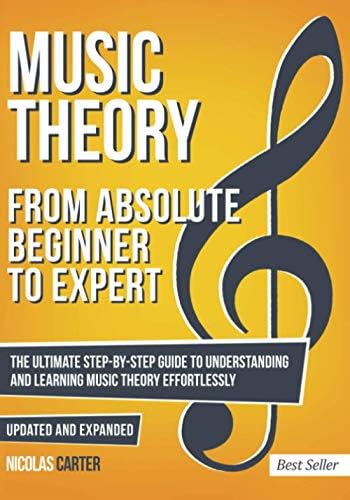
Music Theory: From Beginner to Expert - The Ultimate Step-By-Step Guide to Understanding and Learning Music Theory Effortlessly (Essential Learning To...
| SELLER | SELLER SCORE | AMAZON FULFILLED | PRIME | FREE SHIPPING |
|---|---|---|---|---|
| Amazon.com | 9.68 | Yes | Yes | Yes |
You might assume a guide promising to take you from beginner to expert effortlessly is just more academic fluff, but this book actually attempts to demystify the complex language of sound. I found that the structured, step-by-step approach helps strip away the intimidation factor that usually accompanies formal music studies. Instead of drowning in dense notation, you are guided through the essential building blocks of composition and rhythm in a way that feels approachable for self-taught players. It serves as a solid foundational tool for anyone looking to bridge the gap between playing by ear and truly understanding the mechanics behind the melodies. At a very accessible price point, it is a practical resource for building a serious musical vocabulary.


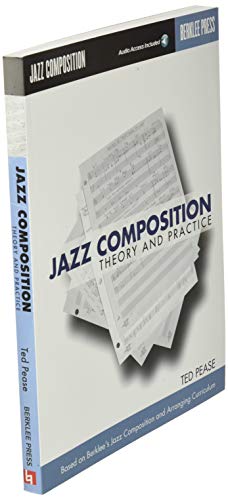

Jazz Composition: Theory and Practice
| SELLER | SELLER SCORE | AMAZON FULFILLED | PRIME | FREE SHIPPING |
|---|---|---|---|---|
| Amazon.com | 9.68 | Yes | Yes | Yes |
Can a single text bridge the gap between simple melodic ideas and complex, multi-movement jazz masterpieces? Ted Pease, a true Berklee College of Music legend, answers this question in Jazz Composition: Theory and Practice by stripping away the intimidation factor often associated with advanced arranging. This 256-page guide doesn't just teach you how to write a standard tune. It walks you through the intricate processes of building episodic and extended jazz works. The large 12" x 9" format makes it a substantial resource for your music stand or desk, providing a clear roadmap for anyone serious about moving beyond basic improvisation into the realm of formal composition. It is a practical, deep dive into the mechanics of jazz writing that feels both authoritative and accessible.


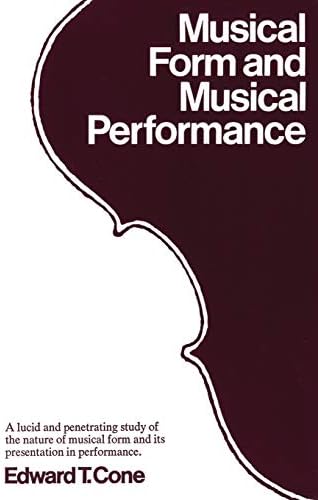
Musical Form and Musical Performance
| SELLER | SELLER SCORE | AMAZON FULFILLED | PRIME | FREE SHIPPING |
|---|---|---|---|---|
| Amazon.com | 9.68 | Yes | Yes | Yes |
Musical Form and Musical Performance serves as an essential bridge between theoretical structure and the reality of live execution. This W. W. Norton & Company publication tackles the complex relationship between how music is composed and how it actually breathes during a performance. Rather than treating theory as a static set of rules, the text invites you to consider the living, breathing nuances of musicality. It is a deeply academic yet accessible resource that clarifies why certain structural decisions matter so much once the instruments are actually played. Whether you are a student or a seasoned musician, this book provides a necessary framework for understanding the architecture of sound in a practical, meaningful context.
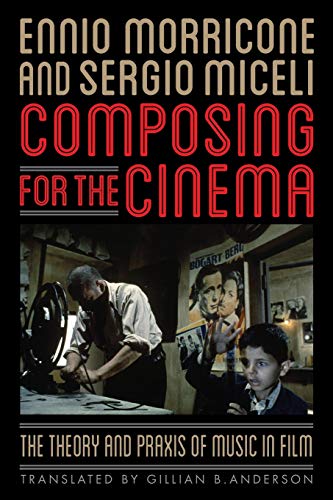

Composing for the Cinema: The Theory and Praxis of Music in Film
| SELLER | SELLER SCORE | AMAZON FULFILLED | PRIME | FREE SHIPPING |
|---|---|---|---|---|
| Amazon.com | 9.68 | Yes | Yes | Yes |
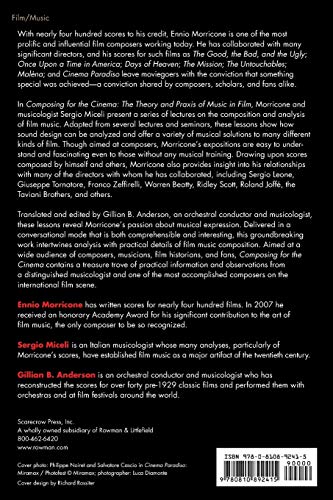
You are sitting in a darkened screening room, watching a tense thriller unfold, and suddenly realize the music is doing more heavy lifting than the dialogue itself. This is exactly where Scarecrow Press’s Composing for the Cinema becomes an essential companion. Rather than just offering abstract concepts, this text bridges the gap between complex musical theory and the actual practice of scoring for the screen. It is a deep dive into how soundscapes shape narrative emotion and viewer perception. Whether you are a student of film scoring or a professional looking to refine your approach to the praxis of cinematic music, this volume provides the intellectual framework necessary to understand why certain melodies hit so hard in a theater setting.


Deepening Musical Performance through Movement: The Theory and Practice of Embodied Interpretation (Musical Meaning and Interpretation)
| SELLER | SELLER SCORE | AMAZON FULFILLED | PRIME | FREE SHIPPING |
|---|---|---|---|---|
| Amazon.com | 9.68 | Yes | Yes | Yes |
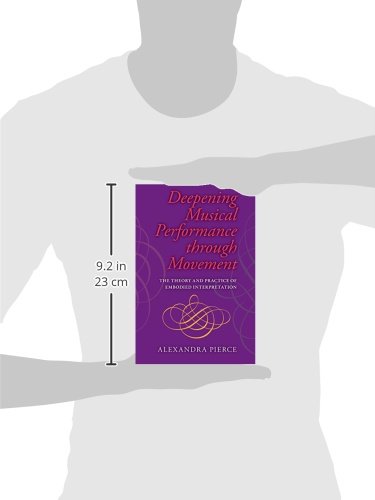
Classical musicians and performers craving a deeper connection between their physical presence and their sonic output must own this text. Indiana University Press has delivered a profound exploration of how movement fundamentally shapes musical meaning, moving far beyond mere technical proficiency. Instead of treating the body as a mere vessel for an instrument, this work treats embodiment as a primary tool for interpretation. It bridges the gap between abstract theory and the lived experience of the stage, offering a sophisticated framework for anyone looking to revitalize their artistry. Whether you are a student or a seasoned professional, the insights into the relationship between gesture and sound provide a necessary shift in how we approach the concept of musical expression.
Learn Your Fretboard: The Essential Memorization Guide for Guitar (Book + Online Bonus Material)
| SELLER | SELLER SCORE | AMAZON FULFILLED | PRIME | FREE SHIPPING |
|---|---|---|---|---|
| Amazon.com | 9.68 | Yes | Yes | Yes |
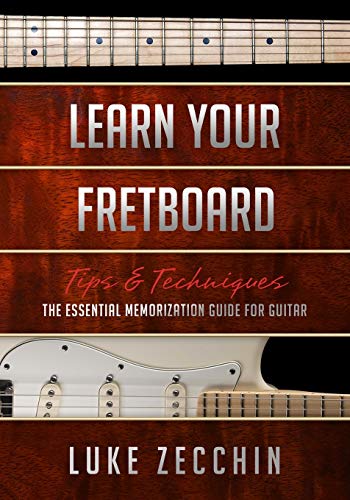
Why do so many guitarists struggle to navigate the neck despite years of playing? Learn Your Fretboard by GuitarIQ.com addresses this exact frustration by providing a structured roadmap for mastering the instrument's layout. Instead of wandering aimlessly through scales, this guide focuses on the essential memorization techniques needed to build true confidence. It is a practical resource that bridges the gap between mechanical finger movement and actual musical understanding. The inclusion of online bonus material adds a layer of depth that makes the physical book feel like a complete instructional ecosystem. For under ten dollars, it offers a highly efficient way to stop guessing and start knowing exactly where your notes live.


Learn Your Guitar Chords: Chord Charts, Symbols & Shapes Explained (Book + Online Bonus Material)
| SELLER | SELLER SCORE | AMAZON FULFILLED | PRIME | FREE SHIPPING |
|---|---|---|---|---|
| Amazon.com | 9.68 | Yes | Yes | Yes |
Most beginner guitarists assume they need expensive instructors to decode the visual language of music, but this guide proves that a solid grasp of chord shapes is actually the ultimate shortcut. GuitarIQ.com has distilled the intimidating world of fretboard symbols and chord charts into something that feels incredibly approachable. Instead of getting lost in dense theory, you get a clear breakdown of how shapes actually translate to your fingers on the strings. The inclusion of online bonus material adds a layer of value that most physical books lack, making it a versatile companion for your practice sessions. It serves as a low-cost entry point into mastering the fundamental building blocks of your instrument.

The first step in selecting a guitar for theory and composition is identifying whether your priority is acoustic resonance, electric versatility, or ergonomic precision. If your composition style relies heavily on fingerstyle patterns and complex harmonic textures, an acoustic guitar with a solid wood top is essential for providing the sustain and tonal complexity needed to hear individual notes within a dense chord. Conversely, if your work involves intricate electric arrangements, signal processing, or rapid-fire lead lines, an electric guitar with high-fidelity pickups will allow you to dissect your playing through various amplification stages.
When studying music theory through an instrument, 'muddy' tones are your enemy. You need an instrument that allows you to clearly distinguish between intervals, especially in the lower registers. For classical or formal composition, a nylon-string guitar offers a mellow, controlled attack that is perfect for studying polyphony. For modern composition, look for electric guitars with single-coil pickups or high-quality humbuckers that provide a 'fast' transient response. This means the note speaks immediately and clearly, allowing you to analyze the precise moment a note is struck and how it interacts with the surrounding frequencies.
For the theorist, intonation is non-negotiable. If an instrument's tuning drifts as you move up the neck, your understanding of interval relationships and chordal tension will be compromised. Pay close attention to the scale length. A longer scale length, common in many electric models, can provide higher tension and more precise intonation, which is beneficial for complex, high-register playing. A shorter scale length, typical of classical or certain specialty electrics, offers easier reach for complex chord voicings and less tension, which can be advantageous for delicate performance styles.
Composition and theory study often involve long, seated sessions of intense focus. The physical geometry of the guitar matters immensely. Consider the neck profile—a slimmer neck might facilitate faster technical performance, while a thicker, more substantial neck can provide better leverage for complex fingerings. Additionally, the body shape should allow for comfortable positioning, whether you are using a classical stance or a standard electric posture, to prevent fatigue during extended periods of creative work.
In the realm of professional performance, the stability of the instrument is paramount. Look for guitars constructed with high-quality tonewoods that have been properly seasoned. For acoustic instruments, a solid spruce or cedar top is the industry standard for a reason: these materials respond dynamically to the player's touch. For electrics, the stability of the neck (often reinforced with various internal structures) ensures that the instrument stays in tune even during the most demanding technical passages, allowing you to focus entirely on the music rather than the maintenance of the tool.
Quick answers about Music Theory Composition Performance before you buy.
Share of top-ranked products by brand, from our editorial analysis.
We've carried out a comprehensive analysis of 2,193 reviews on Music Theory Composition Performance, using our selection criteria to identify the best options in the categories. Our findings reveal that most customers typically select Music Theory Composition Performance priced around $24.17, with top brands including guitariq.com, scarecrow press, berklee press, w. w. norton & company, createspace independent publishing platform, hal leonard publishing corporation and indiana university press and alexander james sharp.
Our team of expert editors reviewed these high-quality items and handpicked the top 7 Music Theory Composition Performance for your consideration. We've also done extensive research on numerous sellers, identifying the best ones in the categories category — including and amazon.com and ranjana chand.
We are dedicated to assisting our users in finding the right guitars Products based on their needs, saving them considerable time when choosing which Music Theory Composition Performance to buy. We take pride in the number of satisfied users we've helped through our thorough and insightful reviews.
Compare the top 7 picks at a glance — select a column to sort.


