Prioritize Fabric Composition and Skin Sensitivity
An infant's skin is significantly thinner and more permeable than an adult's, making the material choice the most critical decision factor. When browsing nursery collections, look for natural fibers like organic cotton or high-quality bamboo blends. These materials are naturally breathable, which helps regulate a baby's body temperature and prevents overheating—a key safety consideration during sleep. Avoid synthetic blends that feel overly 'slick' or plastic-like, as these can trap heat and cause irritation. A high-quality knit or a soft muslin weave will provide the gentle texture necessary for a newborn's sensory development without causing redness or discomfort.
Evaluate Weight and Versatility
Not all blankets serve the same purpose in a nursery. You should categorize your needs into three distinct types: swaddle blankets, security blankets, and decorative throws. For swaddling, you want a lightweight, breathable fabric that can be wrapped snugly without being bulky. For a security blanket (or 'lovey'), a smaller, incredibly soft texture is preferred to encourage tactile soothing. Finally, for use on a changing table or as a layer in a crib, a medium-weight blanket offers more thermal protection. When selecting, consider if the blanket is multi-functional. A versatile muslin blanket can transition from a nursing cover to a stroller shade to a lightweight nap blanket, providing better value for your nursery setup.
Consider Print Longevity and Aesthetic Cohesion
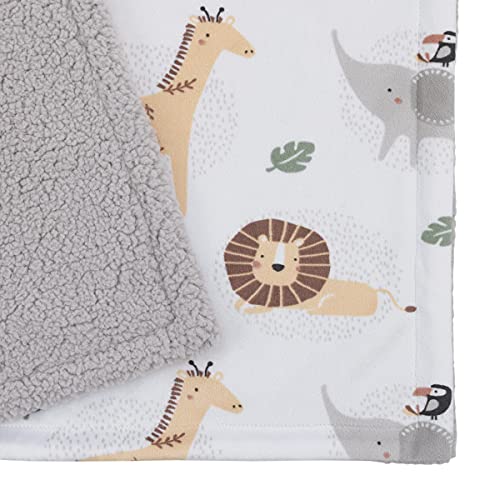
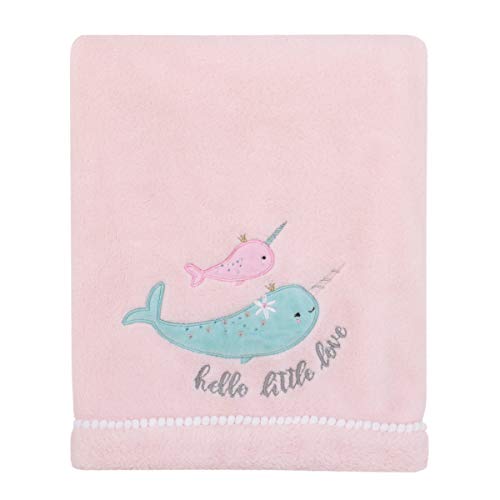
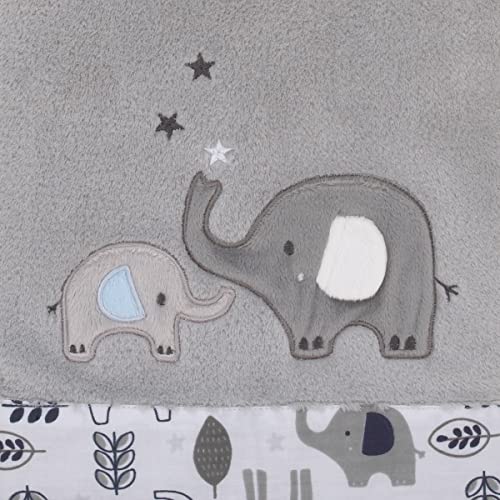
Since nursery blankets are often central to themed decor, the visual design is a major decision driver. Many parents opt for gender-neutral palettes—such as sage greens, creams, or muted earth tones—to allow the nursery to evolve as the child grows. If you are choosing a blanket with specific motifs, look for high-quality printing methods. In cheaper textiles, patterns can fade or crack after a few rounds in the laundry. Look for blankets where the design feels integrated into the weave or uses high-density printing that maintains its vibrancy through repeated washing, ensuring the blanket looks as good in a year as it does on day one.
Durability and Ease of Maintenance
Let’s be realistic: nursery blankets face frequent spills, spit-ups, and heavy laundering. A blanket that looks beautiful but loses its shape or becomes scratchy after two washes is a poor investment. Check the edges of the blanket. Look for reinforced stitching or rolled hems that prevent fraying. When evaluating a product, consider how it handles high-temperature washes. A blanket that requires delicate, hand-wash-only care may become a burden in a busy household. The ideal nursery blanket is one that can be tossed into a standard machine cycle and emerge just as soft and structurally sound as before.