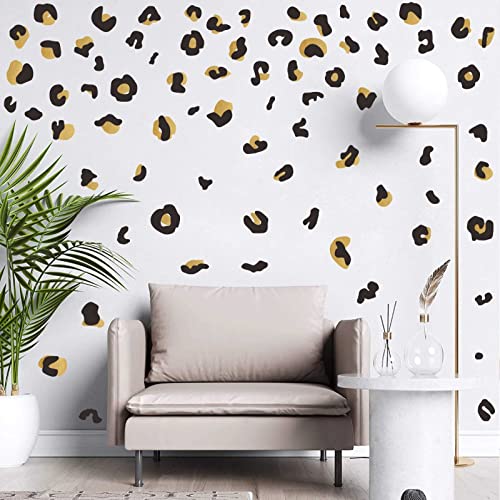
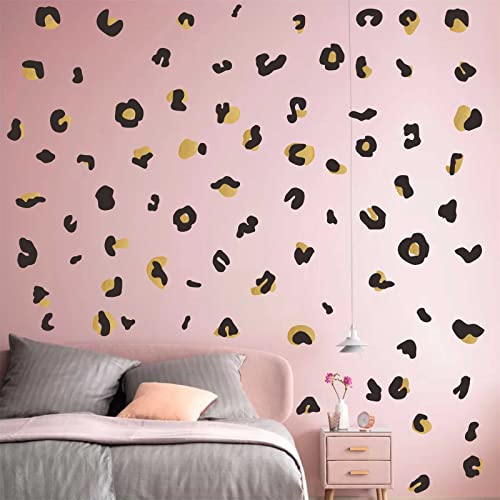
Material Quality and Texture
When shopping for Mositu murals, the first thing to evaluate is the material composition. High-quality nursery murals should be made from premium, non-toxic vinyl or heavy-duty fabric. Because these are being placed in a room where infants will spend significant time, ensure the material is PVC-free and uses water-based, eco-friendly inks. From a tactile perspective, look for a matte finish rather than a high-gloss one. A matte texture prevents harsh light reflections from nursery lamps or windows, ensuring the mural looks natural and integrated into the wall rather than looking like a shiny plastic sheet. Furthermore, check if the material is 'breathable'. High-end murals allow moisture to escape, preventing the buildup of mold or peeling caused by humidity.
Scale, Composition, and Visual Balance
A common mistake in nursery design is choosing a mural that overwhelms the furniture. When selecting a Mositu mural, consider the 'focal point' logic. If you plan to place a crib, a changing table, or a bookshelf against the wall, ensure the most intricate parts of the mural design aren't obscured by these large items. For smaller nurseries, opt for murals with a lot of 'negative space'—areas where the background color is dominant. This prevents the room from feeling claustrophobic. Conversely, in a larger room, a dense, detailed mural can serve as a magnificent centerpiece that anchors the entire design. Always visualize whether the mural's pattern is repetitive or a single, large-scale scene. A single scene often feels more like a custom art piece, whereas a pattern is better for a cohesive, textured look.
Ease of Application and Removability
The primary advantage of using stickers over wallpaper is the ease of installation. Look for murals that feature 'peel-and-stick' technology with a strong, self-adhesive backing that doesn't require messy liquid glues. However, the true test of a quality mural is its removal process. You want a product that is 'repositionable' during application—allowing you to fix bubbles or misalignments—but also 'residue-free' upon removal. Since children outgrow themes quickly, you need to be certain that when you peel the mural down in three years, it won't strip the paint or leave a sticky film on your walls. Always test a small corner of your wall surface to ensure compatibility with your specific paint type before committing to a full-wall installation.
Color Palette and Developmental Impact
Beyond aesthetics, consider the psychological impact of the color palette. For a sleep-focused environment, soft pastels, muted earth tones, and sage greens are ideal for creating a soothing atmosphere. If the mural is intended for a play area or a toddler's nook, more vibrant, high-contrast colors can aid in visual stimulation and engagement. When selecting your Mositu design, look for color accuracy in the product descriptions. Ensure the tones are sophisticated enough to serve as a backdrop for your existing decor, rather than clashing with your linens and rugs.