Understanding Tire Categories: AT vs. MT
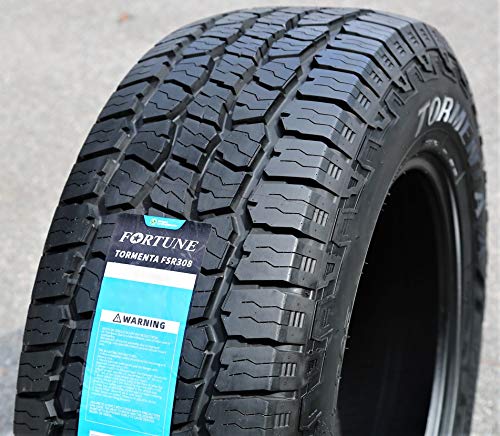
The first decision you must make is choosing between All-Terrain (AT) and Mud-Terrain (MT) tires. This choice sets the foundation for how your vehicle will perform both on and off the road. All-Terrain tires are the versatile middle ground. They feature a moderately aggressive tread pattern that provides decent traction in dirt and gravel while remaining quiet enough for highway driving and maintaining reasonable fuel economy. If your driving involves a mix of commuting and weekend trail excursions, AT tires are your best bet.
Mud-Terrain tires, on the other hand, are purpose-built for the extreme. They feature massive, widely spaced tread blocks designed to 'self-clean' by ejecting mud as the tire rotates. This prevents the tread from becoming clogged and slick. While they offer unparalleled grip in soft, messy conditions, they come with trade-offs: they are significantly louder on pavement, tend to decrease fuel efficiency, and can feel 'squirmy' during high-speed highway maneuvers.
Tread Pattern and Void Ratio
The geometry of the tread is what determines how a tire interacts with the ground. In off-road scenarios, you are looking for a high 'void ratio'—the amount of space between the tread blocks. A higher void ratio allows the tire to bite into deep material like mud or snow. If the gaps are too small, the tire will quickly become a smooth, slick surface when packed with debris. However, be aware that a very high void ratio often leads to increased road noise and a harsher ride on asphalt. Look for 'siping'—small slits within the tread blocks—which helps provide extra biting edges for traction on wet or icy surfaces.
Sidewall Strength and Puncture Resistance
When you are off the beaten path, the sidewall is just as important as the tread. Off-road tires are subject to lateral stresses from rocks, roots, and sharp debris. When comparing options, look for reinforced sidewall construction. Some premium off-road tires feature multiple layers of high-strength fabric or specialized rubber compounds on the sides to prevent 'sidewall pinching' or punctures when running at low air pressures. Being able to 'air down' (lower your tire pressure) is a vital off-road technique to increase the tire's footprint, but it places immense strain on the sidewalls, making durability in this area a non-negotiable factor.
Load Rating and Speed Ratings
Don't overlook the technical specifications on the sidewall. Off-road tires often carry different load indices than passenger tires. If you carry heavy recovery gear, camping equipment, or have modified suspension, you must ensure your tire's load rating can handle the added weight. Additionally, most aggressive off-road tires have lower speed ratings. This isn't necessarily a flaw, but it is a reminder that these tires are engineered for torque and grip rather than high-speed stability. Always match your tire selection to your vehicle's Gross Vehicle Weight Rating (GVWR) to ensure safety and handling integrity.