Material Quality and Fabric Texture
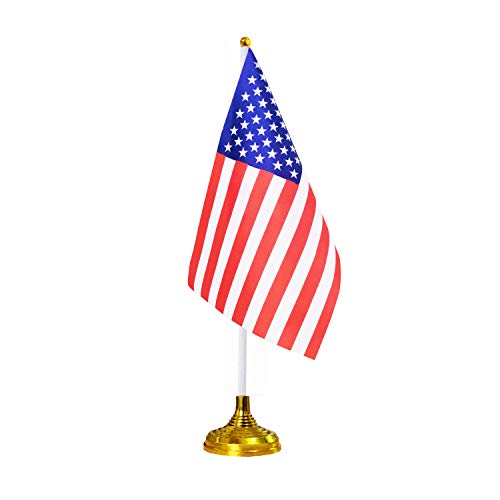
The first thing to consider is the tactile quality of the flag itself. Because these are miniature items, the weave of the fabric is highly visible. You should look for high-density polyester or silk-like synthetic blends. A high-quality desk flag should have a slight sheen that catches the light without looking cheap or overly plastic. Avoid flags that feel paper-thin, as they will crease easily and fail to hold their shape. Ideally, the flag should be double-sided or have a printed reverse side so that the emblem or colors are legible from any angle on your desk, rather than appearing washed out when viewed from the back.
The Importance of the Flagpole and Base
A desk flag is only as good as its support system. The 'hardware'—comprising the pole and the weighted base—is what determines if the flag stands proudly or leans precariously. For a professional office setting, look for a weighted base made of polished resin, marble-effect materials, or heavy-duty metal. A lightweight plastic base is prone to being knocked over by a stray sleeve or a moving mouse. The flagpole should be straight and made of a material that resists bending, such as brass-finished metal or high-grade acrylic. Ensure the connection point between the pole and the base is secure. A wobbling flag creates a visual distraction that detracts from the professional aesthetic you are trying to achieve.
Space management is critical in a modern workspace. Before purchasing, measure the available 'real estate' on your desk. A flag that is too large will dominate your workspace and potentially interfere with your monitor or lamp, while one that is too small may look like a mere trinket rather than a deliberate decor choice. The ideal desk flag typically features a pole height between 10 and 14 inches. This provides enough verticality to be noticed but keeps the footprint small enough to tuck into a corner or sit neatly beside a computer stand.
Design Precision and Color Accuracy
Since desk flags are often used to represent specific nations, states, or organizations, color accuracy is non-negotiable. Low-quality manufacturing often results in 'muddy' colors or incorrect shades of red, blue, or gold. When reviewing options, look for descriptions that emphasize high-definition printing or embroidery. If you are choosing a flag with a complex crest or seal, ensure the details are sharp. A blurred emblem can make an office setup look disorganized rather than curated. The goal is a crisp, clean representation that commands respect through its precision.
Maintenance and Longevity
Unlike outdoor flags that face UV damage and wind, office flags primarily face dust and accidental spills. Look for flags that are easy to clean—a simple dusting with a microfiber cloth should suffice. Avoid flags with excessive fringe or delicate tassels if you work in a high-traffic environment where items are frequently moved, as these elements can snag or fray over time. A sturdy, well-constructed flag should remain a permanent fixture of your desk for years to come.