Understanding Plate Material and Construction
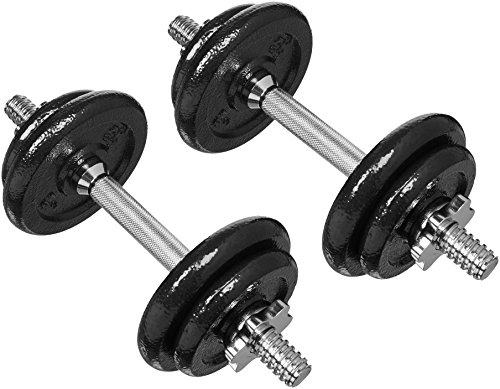
The first decision you must make is the material composition of your plates. In the Olympic weight category, you will typically encounter three main types: cast iron, rubber-coated, and bumper plates. Cast iron plates are the most space-efficient and cost-effective, making them ideal for strength-focused lifters who do not intend to drop the weights from overhead. However, they can be noisy and may damage your flooring. Rubber-coated plates offer a middle ground, providing a layer of protection for both the weight and your gym floor, while also dampening the sound of impact. If your training involves high-velocity movements where the bar will hit the ground frequently, you should look toward high-density rubber bumper plates, which are designed to absorb shock and bounce safely.
Diameter and Loading Efficiency
In Olympic lifting, the diameter of the plate is crucial for the physics of the lift. Standard Olympic plates follow a specific diameter progression to ensure the bar sits at the correct height off the ground. When selecting a set, ensure the plates have a consistent outer diameter so that your bar remains level during movement. Additionally, pay close attention to the center hole diameter. A true Olympic plate must have a 2-inch inner diameter to fit standard Olympic barbells. If the tolerances are too loose, the plates may wobble, which can compromise your form and safety during heavy sets. Look for sets that feature smooth edges to allow for quick loading and unloading during high-volume workouts.
Weight Increments and Set Versatility
A common mistake in home gym setups is purchasing a single, massive weight set that lacks granularity. To facilitate progressive overload—the fundamental principle of muscle growth—you need a variety of weight increments. A well-rounded Olympic set should include a range of weights, typically starting from small 2.5kg or 5lb increments up to larger 20kg or 45lb plates. This allows you to make micro-adjustments to your lifts, preventing plateaus. When evaluating a set, consider whether the weight distribution allows you to build a complete progression from beginner to advanced levels without needing to purchase supplemental plates immediately.
Durability and Long-Term Value
Because Olympic lifting involves significant force, the structural integrity of the plates is paramount. Check for signs of quality in the casting or the molding process. For iron sets, look for uniform density to ensure the weight is true. For rubberized options, ensure the coating is chemically bonded to the core to prevent peeling or cracking over time. The best value is found in sets that offer a combination of heavy-duty construction and a weight range that covers the most common lifting milestones, ensuring your investment lasts as long as your fitness journey.