Material Composition and Durability
The most critical factor in choosing an outdoor doormat is the material used in its construction. Because these mats are subjected to UV rays, rain, and temperature fluctuations, you must prioritize weather-resistant fibers. Coir mats, made from coconut husks, are industry standards for their aggressive scraping capabilities, but they can shed over time. Synthetic blends, such as polypropylene or recycled rubber, often offer superior longevity in high-moisture environments because they resist mold and mildew. When evaluating a mat, consider whether the fibers are tightly woven. A loose weave will allow dirt to pass straight through to your porch or threshold, defeating the purpose of the mat.
Scraping Power vs. Surface Protection
There is a functional trade-off between how well a mat cleans a shoe and how much it protects your doorstep. Heavy-duty, coarse-textured mats are exceptional at removing caked-on mud and dried clay, making them ideal for rural settings or homes with large garden spaces. However, if your entryway features delicate stone, polished wood, or painted concrete, you should look for mats with a non-slip rubber backing. A mat without a sturdy backing can slide during use or, worse, trap moisture underneath it, which can lead to staining or rot on your porch surface. Look for 'dual-action' designs that feature a rugged top layer for cleaning and a heavy-duty base for stability.
Size and Placement Logic
A common mistake is purchasing a mat that is too small for the entryway. A doormat should ideally be wider than the door itself to ensure that guests don't step around the cleaning zone. For single doors, a standard rectangular mat is sufficient, but for wide entryways or double doors, you may need to consider oversized mats or a layered approach. The 'layered look'—placing a smaller, decorative patterned mat on top of a larger, functional coir or rubber mat—is a popular design choice that provides both aesthetic appeal and high-performance debris trapping.
Maintenance and Longevity
Outdoor mats require more upkeep than indoor versions. To ensure your investment lasts, check the cleaning instructions. Most high-quality outdoor mats can be maintained by simply shaking them out or using a stiff brush to dislodge embedded grit. Avoid using high-pressure hoses on delicate natural fibers like coir, as this can cause the fibers to break down prematurely. If you live in a climate with heavy snow or frequent rain, prioritize mats that are designed to dry quickly to prevent the buildup of unpleasant odors and bacterial growth.
Aesthetic Integration
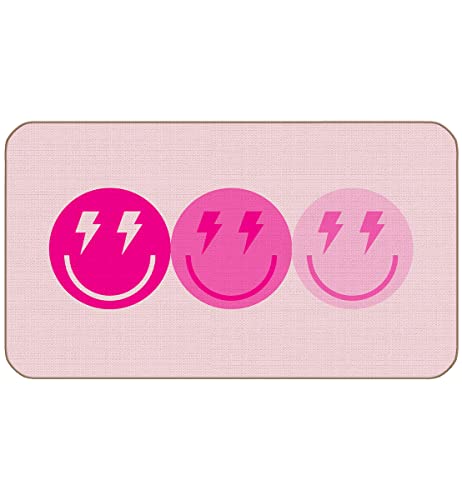
Finally, do not overlook the visual impact. Your doormat is a component of your home's curb appeal. Whether you prefer a minimalist, modern geometric pattern to complement a contemporary build, or a classic, textured look for a traditional farmhouse style, the mat should feel intentional. Ensure the color palette complements your front door and exterior siding to create a cohesive and welcoming entrance.