Prioritize Material Durability
The most critical decision you will make is choosing a material that matches your local climate. If you live in a coastal area with high humidity and salt air, avoid traditional iron or low-grade steel, as these will succumb to rust quickly. Instead, look for powder-coated aluminum, which offers a lightweight feel without the corrosion risk. If you prefer the classic aesthetic of wood, steer clear of untreated softwoods. High-quality outdoor rockers often utilize teak or acacia, which contain natural oils that resist rot and insect damage. For a low-maintenance, modern option, high-density polyethylene (HDPE) resin is an excellent choice. It mimics the look of painted wood but is virtually indestructible under heavy sun and rain exposure.
Analyze the Rocking Mechanism and Stability
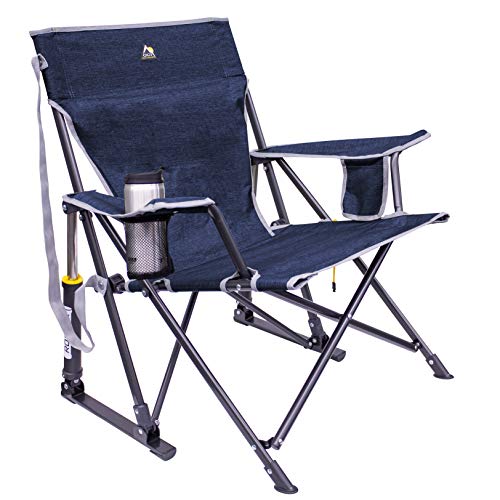
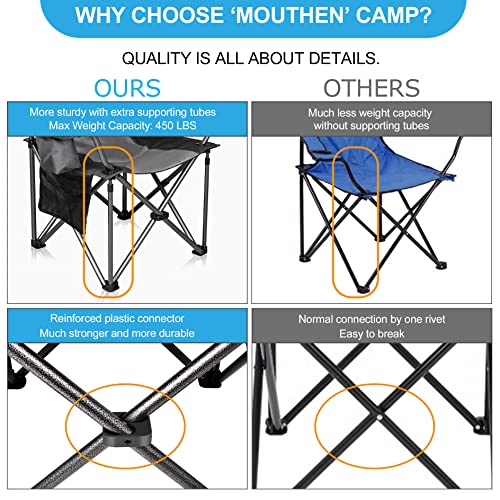
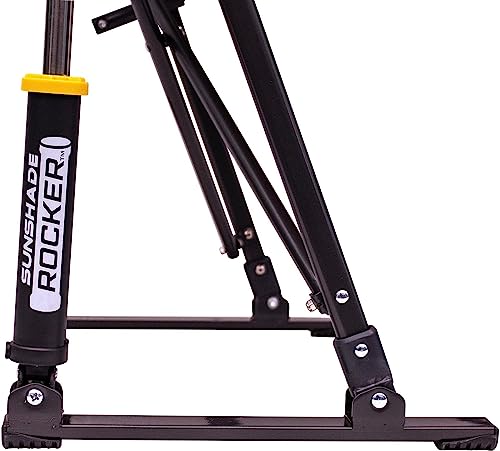
A great rocking chair should feel intuitive. When testing a chair, pay close attention to the arc of the rockers. If the curve is too shallow, the chair may feel jerky. If it is too deep, you might feel like you are tipping backward. Look for models with a wide base. A narrow footprint increases the risk of the chair tipping over if you lean too far to one side or if a gust of wind catches it. Furthermore, check the connection points between the seat and the rockers. Heavy-duty hardware and reinforced joints ensure that the rhythmic motion doesn't cause the chair to squeak or loosen over time.
Focus on Ergonomics and Comfort
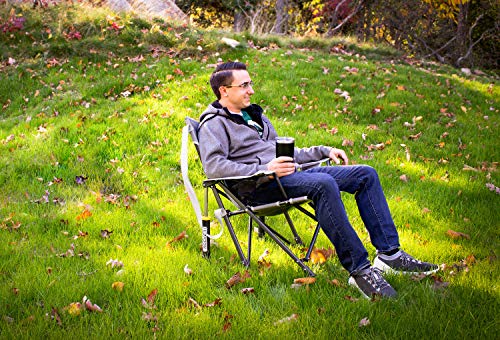
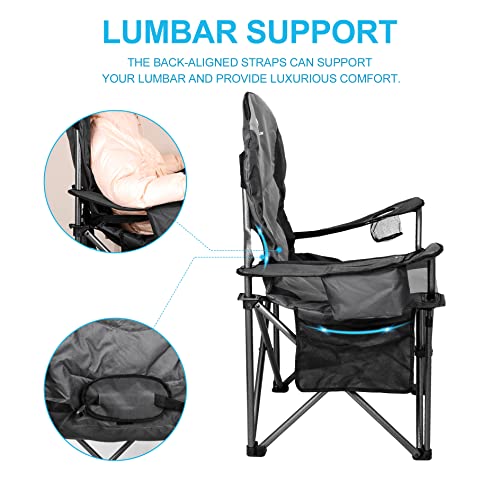
Because rocking is a passive activity, comfort is paramount. A chair that looks beautiful but lacks lumbar support will quickly become uncomfortable. Look for seats that offer a slight recline rather than a perfectly upright posture, as this helps distribute your weight more evenly. If you are purchasing a wooden or metal chair that does not come with padding, ensure the slats are spaced closely enough to prevent pressure points on your thighs. For resin or wicker-style rockers, check the depth of the seat. If it is too deep, your legs will dangle, which can disrupt your circulation during long periods of relaxation.
Consider Weight and Portability
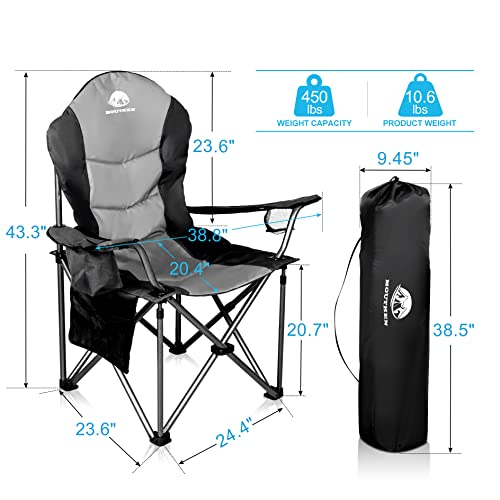
Your lifestyle dictates how much weight a chair should have. If your rocking chair is intended for a permanent spot on a covered porch, a heavier material like solid wood or heavy-duty metal is ideal because it won't blow away during a storm. However, if you plan to move the chair between your garden, patio, and poolside, lightweight aluminum or resin models are much more practical. Always weigh the pros and cons of 'heft' versus 'mobility' based on how much you intend to rearrange your outdoor living space.
Maintenance and Longevity
Before finalizing your purchase, consider the long-term upkeep. Teak requires periodic oiling to maintain its luster, while metal may require occasional cleaning to prevent mineral buildup. Resin chairs are the champions of easy maintenance, usually requiring nothing more than a quick spray with a garden hose. Always ask if the finish is UV-stabilized. This ensures that the vibrant colors of your chair won't fade into a dull, chalky mess after a single summer of intense sunlight.