Understanding the Aspect Ratio and Ride Comfort
The most defining characteristic of a 65-series tire is its profile. Because the sidewall is relatively tall, these tires are engineered to absorb shock. If your primary goal is a smooth, quiet commute on highways or bumpy urban streets, a 65-series tire is an excellent choice. The increased air volume within the sidewall acts as a secondary suspension component, dampening vibrations from potholes and expansion joints. However, there is a trade-off: taller sidewalls tend to have more 'flex' during high-speed cornering. If you are looking for razor-sharp steering response and a sporty feel, you may find a 65-series tire feels slightly more 'mushy' than a low-profile alternative. For most passenger drivers, however, the comfort benefits far outweigh the loss in extreme cornering stability.
Tread Pattern and Driving Environment
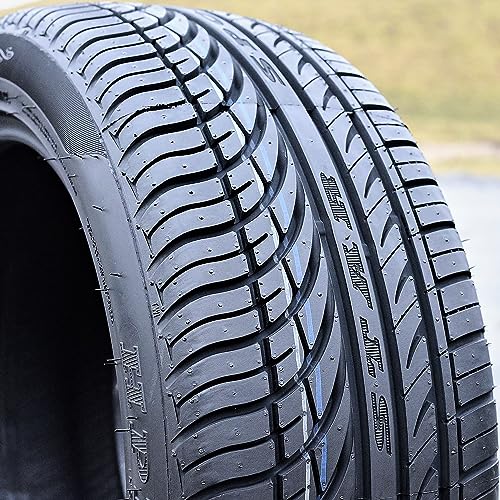
Once you have decided on the profile, you must select a tread pattern that matches your climate and typical driving routes. For the majority of 65-series users, All-Season tires are the standard. These feature a balanced distribution of longitudinal grooves for water evacuation and sipes (small slits) to maintain grip in light snow. If you live in a region with harsh, consistent winters, you should bypass all-season models in favor of dedicated Winter or Studded tires, which utilize much softer rubber compounds that remain pliable in freezing temperatures. Conversely, if you primarily drive on well-maintained highways and prioritize longevity and low road noise, an All-Weather tire offers a middle ground, providing better snow traction than a standard all-season without the noise penalty of a heavy winter tire.
Load Index and Speed Rating
Do not overlook the technical specifications printed on your vehicle's door jamb or current tire sidewall. Because 65-series tires are often found on heavier crossovers or loaded sedans, the Load Index is vital. This number indicates the maximum weight each tire can support. Installing a tire with a lower load index than what the manufacturer recommends can lead to overheating, sidewall failure, and dangerous handling characteristics. Similarly, the Speed Rating (represented by a letter) ensures the tire can safely dissipate heat at the speeds you typically travel. Always match or exceed the original equipment (OE) specifications to maintain the structural integrity of your vehicle's handling.
When comparing brands, you will notice a divide between 'touring' tires and 'performance' tires. Touring tires are designed with harder rubber compounds and more durable tread blocks to maximize mileage. If you drive high annual mileage, investing in a premium touring tire will provide a better return on investment through extended tread life. Performance-oriented tires, even within the 65-series profile, use softer compounds to increase grip, which inevitably leads to faster wear. Consider your annual mileage: if you drive 15,000 miles a year, prioritize the treadwear rating (UTQG) to avoid frequent replacements.