Prioritize Load Index and Weight Capacity
The most critical technical specification you must verify is the load index. In a 70-passenger vehicle, the cumulative weight of the passengers, luggage, and the vehicle itself puts extreme pressure on the tire's sidewalls and internal structure. You must ensure that the tires meet or exceed the manufacturer's specific load requirements. Look for tires with reinforced sidewalls designed to resist lateral deflection. This prevents the vehicle from feeling 'mushy' or unstable when navigating corners under a full load. A tire that is under-rated for the weight will experience excessive heat buildup, which is the leading cause of catastrophic tire failure during long-haul tours.
Tread Design and Water Evacuation
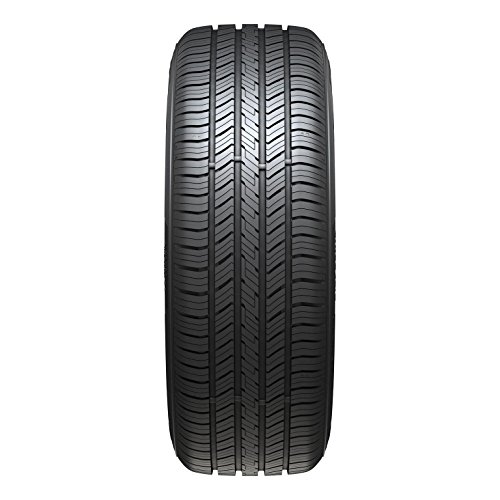
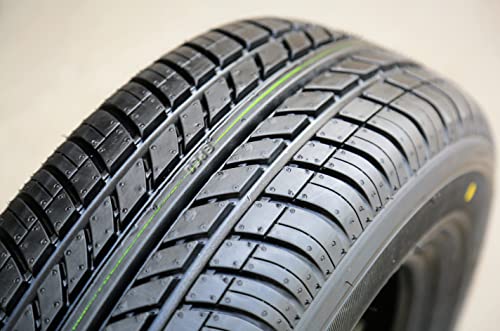
Touring tires are defined by their ability to provide a stable, predictable grip across varying weather conditions. For high-capacity vehicles, look for an asymmetrical tread pattern. Asymmetrical designs allow engineers to optimize the outer shoulder for cornering stability and the inner tread for water evacuation. Since these vehicles often travel through diverse climates, deep longitudinal grooves are essential to prevent hydroplaning. A high silica content in the rubber compound is also a hallmark of a premium touring tire, as it improves grip on wet surfaces without sacrificing the longevity of the tread.
Noise Reduction and Ride Comfort
The 'touring' aspect of these tires refers as much to the passenger experience as it does to the distance traveled. A noisy cabin can lead to passenger fatigue and a perception of poor vehicle quality. Seek out tires that feature variable pitch tread patterns. By varying the size of the tread blocks, manufacturers can cancel out specific sound frequencies, resulting in a much quieter ride at highway speeds. Additionally, look for tires with advanced damping technologies in the sidewall, which help absorb road vibrations and small imperfections, ensuring that the ride remains composed even when the vehicle is at maximum capacity.
Rolling Resistance and Fuel Efficiency
Operating a large vehicle is inherently fuel-intensive. Selecting tires with low rolling resistance is a strategic decision that can significantly impact your operational costs. High-quality touring tires use specialized compounds that reduce the energy lost as the tire deforms while rolling. While it may be tempting to choose the cheapest option, a tire with optimized rolling resistance will often pay for itself through fuel savings over the course of its lifespan. Always weigh the initial cost against the projected mileage and efficiency gains.
Longevity and Wear Patterns
Given the high mileage typically associated with passenger touring, tread life is a primary economic driver. Look for tires that boast high treadwear ratings and consistent wear patterns. Premium touring tires are often designed with more uniform pressure distribution across the contact patch, which helps prevent uneven wear such as 'cupping' or 'feathering.' Consistent wear not only extends the life of the tire but also ensures that the vehicle's handling characteristics remain predictable from the first mile to the last.