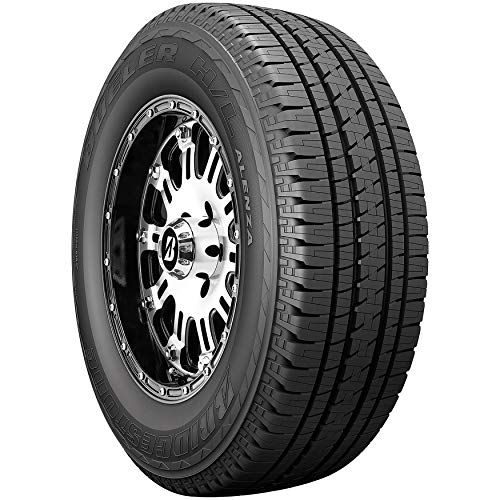
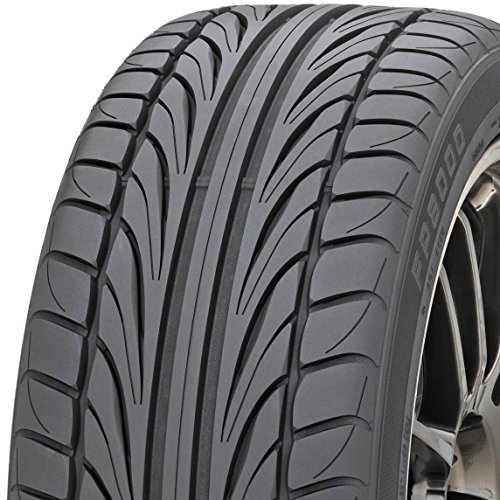
The first step in your selection process is identifying which category of tire matches your lifestyle. Most passenger car owners gravitate toward All-Season tires. These are engineered with a versatile tread pattern designed to handle a wide range of conditions, including light snow and heavy rain, without sacrificing longevity. They are the 'jack-of-all-trades' option.
If you drive a premium sedan or a sporty hatchback and value steering precision, you should look toward Performance tires. These feature softer rubber compounds and stiffer sidewalls to provide maximum grip during cornering, though they typically wear out faster and can be noisier on the highway. Conversely, if your priority is a library-quiet cabin and a plush ride, Touring tires are your best bet. These are optimized for comfort, tread life, and fuel efficiency, making them ideal for long-distance commuters.
Key Decision Factors: Treadwear, Traction, and Temperature
When comparing technical specifications, look beyond the brand name and focus on the UTQG (Uniform Tire Quality Grading) ratings. There are three primary metrics to consider:
- Treadwear: This number indicates how long the tire is expected to last. A higher number means more durability, which is essential for high-mileage drivers looking to minimize replacement costs.
- Traction: This measures the tire's ability to stop on wet pavement. For passenger cars, you should never settle for anything less than an 'A' rating in traction to ensure safety during sudden downpours.
- Temperature: This indicates the tire's resistance to heat buildup. In warmer climates, a 'A' rating ensures the tire maintains its structural integrity under high-speed summer driving.
The Impact of Noise and Rolling Resistance
Modern passenger cars are increasingly designed with acoustic comfort in mind. If you drive a luxury-oriented vehicle, pay close attention to the 'noise level' reviews of a specific tire. Some tires use specialized tread patterns or internal foam linings to cancel out road hum. Additionally, consider Rolling Resistance. Tires with low rolling resistance are designed to move more freely, which directly translates to better fuel economy—a significant factor for the daily commuter.
Seasonal Considerations and Load Index
Do not ignore your local geography. If you live in a region with harsh, sustained winters, an All-Season tire may not be sufficient. You may need dedicated winter tires to handle ice and deep snow. Furthermore, always verify the Load Index and Speed Rating listed on your vehicle's door jamb. Even if a tire looks correct, if it cannot support the weight of your specific car model or handle your highway speeds, it poses a significant safety risk. Always match or exceed the manufacturer's original equipment specifications to ensure optimal stability and braking performance.